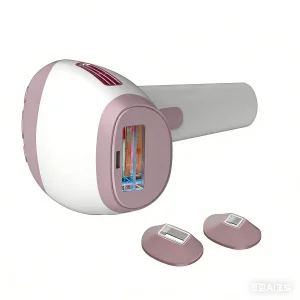
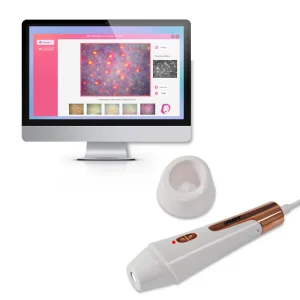
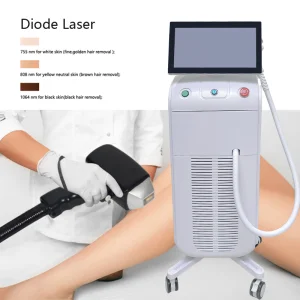
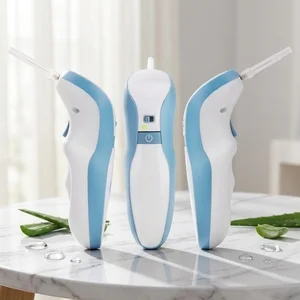
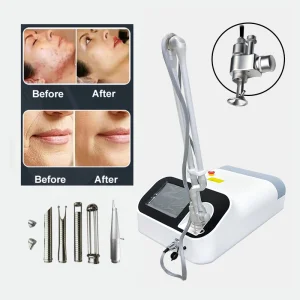
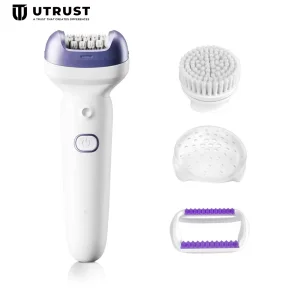
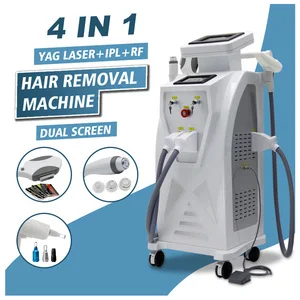
Featured Precision Thermal & Wellness Solutions (Set I)
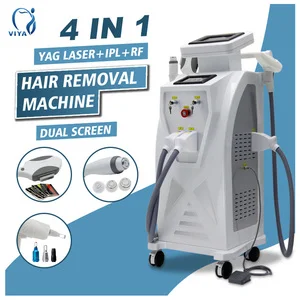
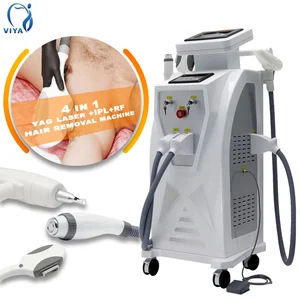
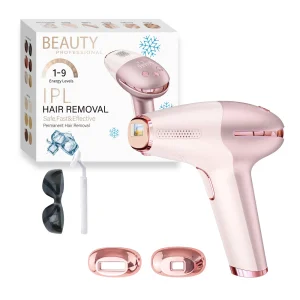
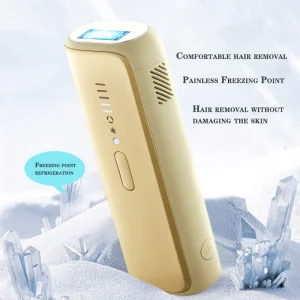
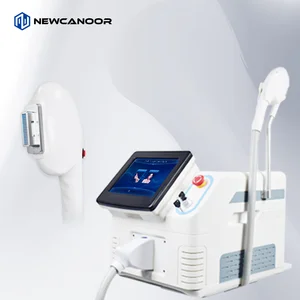
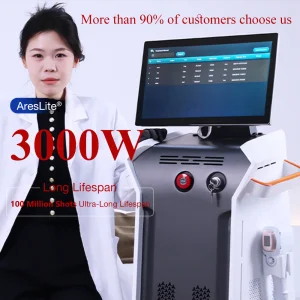
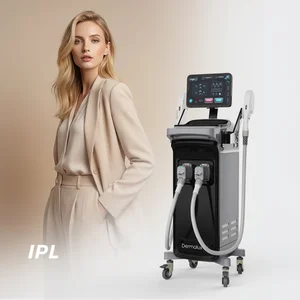
The Global Electric Candle Warmer Industrial & B2B Sourcing Landscape
An analytical breakdown of safety-driven scent systems, thermal engineering, and international factory hubs.
The Evolution of Scent Technology: Flame-Free Home Wellness
The global home fragrance and wellness sectors have witnessed a structural shift over the past five years. Driven by stringent fire hazard safety guidelines and a growing emphasis on Indoor Air Quality (IAQ), traditional open-flame candles are rapidly yielding market share to electric candle warmers. Utilizing halogen top-down heating bulbs or bottom-up ceramic PTC warming elements, these appliances release fragrance oils without generating soot, carbon monoxide, or open flames.
For B2B buyers, home decor brands, and electronics importers, sourcing from factories with integrated optoelectronic and high-precision thermal management systems is critical. The engineering parameters for a reliable candle warmer intersect directly with thermal control technology—ranging from adjustable dimmer modules to precise auto-shutoff timers.
Synergy with Optoelectronic and Beauty Device Manufacturing
Top-tier manufacturing complexes, such as the facilities operated by Shenzhen Xtrim Beauty Co., Ltd., highlight the technological overlap between personal care optoelectronic devices (like IPL hair removal systems) and smart lifestyle warming products. The core capabilities required—including custom circuit board design (PCB), automated thermal testing, safety sensor calibration (NTC thermistors), and premium optical distribution (for halogen focus reflectors)—allow high-end electronics factories to deliver superior quality control and structural reliability compared to traditional low-tech craft factories.
China's Advanced Factory Ecosystem: Sourcing & Processing Efficiency
Why the world’s leading lifestyle and wellness brands centralize their OEM and ODM operations in Southern China's industrial zones.
From raw materials (hardwoods, marble, cast iron, and borosilicate glass) to electronic sub-assemblies (coils, dimmers, GU10 halogen bulbs), all components are sourced within a 50km manufacturing radius, drastically reducing lead times.
Advanced factories employ computer-aided design (CAD) and rapid CNC prototyping, allowing brands to launch proprietary product silhouettes and distinct visual designs within weeks instead of months.
Utilizing automated soldering machines, online voltage surge testing, and environmental thermal chamber tests ensures a return rate of less than 0.2% on international electronics shipments.
Featured OEM/ODM Industrial Leader: Shenzhen Xtrim Beauty Co., Ltd.
Leveraging state-of-the-art optoelectronic engineering and safety-critical manufacturing infrastructure.
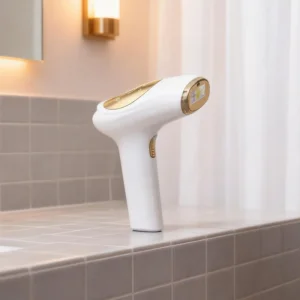
Shenzhen Xtrim Beauty Co., Ltd. is a professional manufacturer specializing in IPL hair removal devices, laser hair removal systems, and advanced beauty equipment in China. With strong R&D capabilities and extensive experience in the personal care device industry, we focus on delivering safe, effective, and innovative hair removal solutions for both home users and professional beauty salons worldwide.
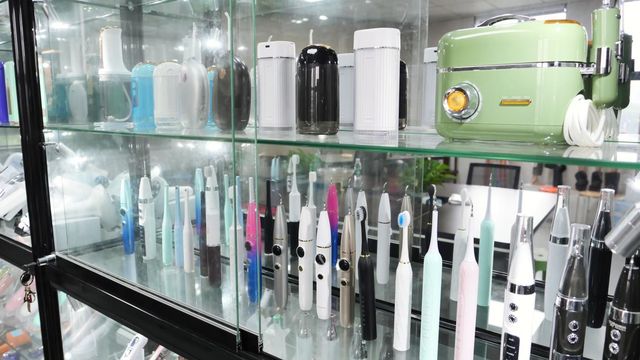
Our product range includes at-home IPL hair removal devices, professional IPL machines, cordless IPL devices, full-body hair removal systems, facial hair removal tools, bikini line treatment devices, skin tone sensing IPL systems, cooling hair removal devices, and salon-grade laser beauty equipment. All products are designed to provide long-term hair reduction results with maximum comfort and safety.
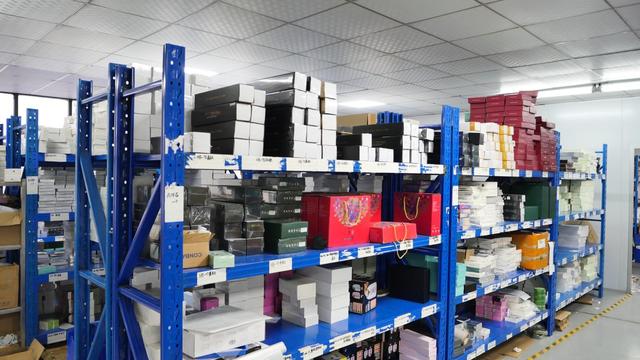
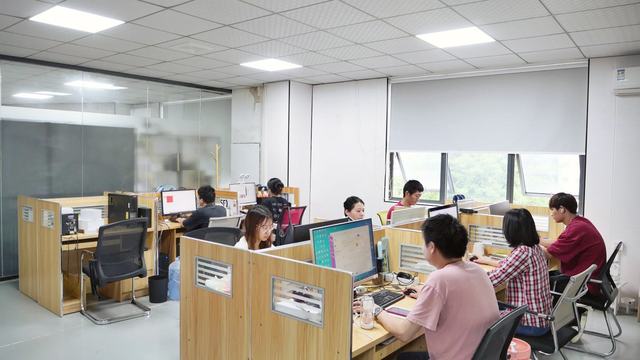
At Xtrim Beauty, we operate modern manufacturing facilities equipped with advanced production lines and strict quality control systems. Every device undergoes multiple testing processes, including energy output calibration, skin safety verification, durability testing, and performance evaluation to ensure compliance with international standards such as CE, FCC, and RoHS.
Our experienced R&D team continuously innovates in optical technology, cooling systems, and user-friendly design. We also provide full OEM and ODM services, including private label customization, product design, mold development, packaging solutions, and brand-specific feature integration to help clients build competitive beauty brands in the global market.
Our IPL hair removal devices are widely exported to Europe, North America, South America, Southeast Asia, the Middle East, and other regions. They are trusted by beauty brands, e-commerce sellers, salons, and distributors for their reliable performance, modern design, and cost-effective pricing.
As a leading IPL hair removal device manufacturer in China, Shenzhen Xtrim Beauty Co., Ltd. is committed to providing high-quality beauty technology, flexible customization services, fast delivery, and professional technical support to help global customers grow their beauty businesses successfully.
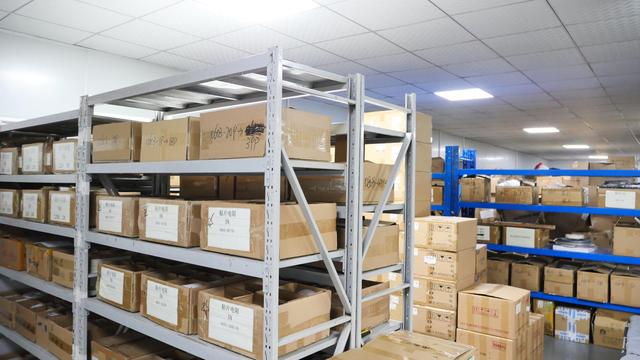
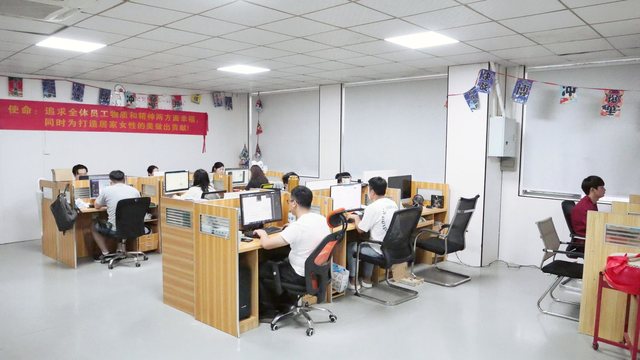
Inside Our Modern Manufacturing Facility
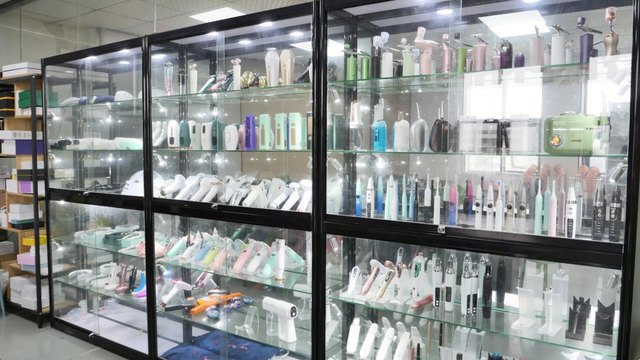

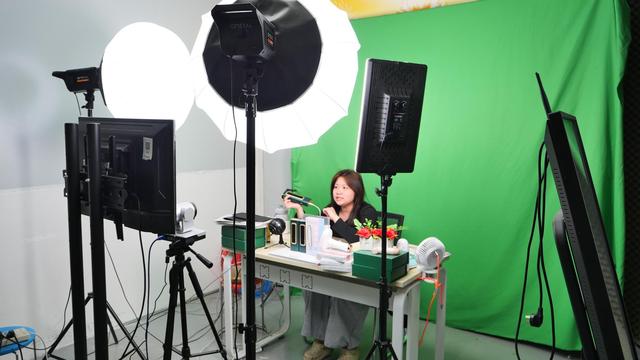
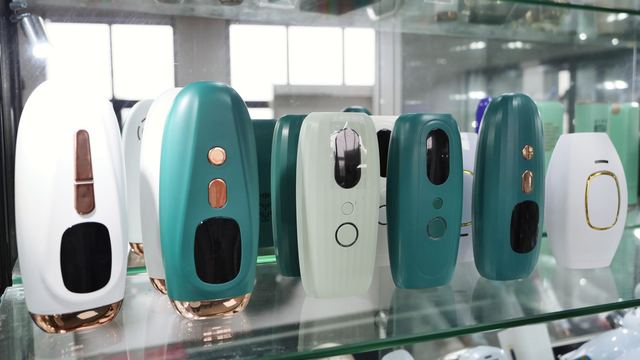
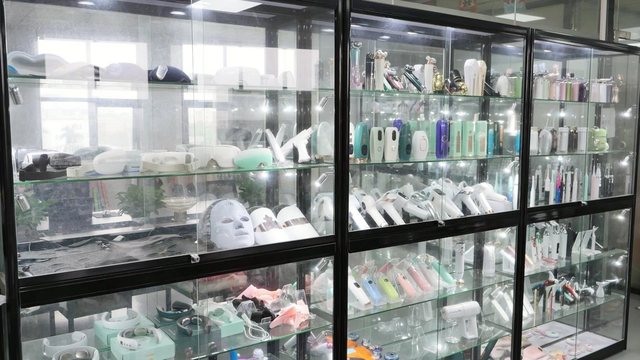
Sourcing Blueprint: Top 10 Evaluation Criteria for Global Candle Warmer Factories
How commercial importers assess production lines to mitigate regulatory risks and optimize market compatibility.
| Evaluation Parameter | Critical Target Specification | Common Factory Failure Mode | Corrective QA Test Protocol |
|---|---|---|---|
| Heating Safety & Auto-off | Pre-calibrated timer chips (2h/4h/8h intervals) & NTC thermistors. | Thermal runaway due to uncalibrated circuitry. | Continuous full-load thermal chamber aging test for 72 hours. |
| Chassis Temperature Control | Base temperature maintained under 55°C (131°F) to prevent surface damage. | Lack of heat shielding beneath the ceramic/heating element. | Infrared thermographic mapping during operation. |
| Optoelectronic Efficiency | GU10 Halogen bulbs focus light specifically to top wax layer. | Low-quality bulb sockets resulting in electrical shorts. | Drop test of assembled lamps and structural vibration tests. |
| Base Stability & Materials | Weighted base (steel/marble) with anti-slip rubber pads. | Lightweight plastic bases causing high tip-over risks. | 15-degree tilt table slip/tip hazard analysis. |
| Electrical Certifications | Compliance with UL 1026, EN 60335, CE, RoHS, and FCC. | Using non-certified sub-assemblies to cut production costs. | Verification of UL/CE certificates and raw copper wiring audits. |
Sourcing Demands, Localization & Regulatory Compliance
Insights into voltage optimization, design patents, and localized aesthetics across major economic regions.
1. North America (US & Canada): High Voltage Safety & UL Listings
In the North American B2B market, safety is the primary metric. Retailers like Target, Walmart, and Amazon require UL/ETL listing verification. The operational voltage is strictly 110V-120V AC at 60Hz. The preferred design aesthetic trends toward rustic farmhouse styles (incorporating brushed metal, distressed wood bases, and lantern shapes) alongside minimalist mid-century modern designs (utilizing frosted glass and matte-black metal finishes).
2. European Union & UK: Eco-Design, RoHS, and LVD Directives
The European region operates on 220V-240V AC at 50Hz and requires CE and UKCA marks. EU buyers place a strong emphasis on the RoHS (Restriction of Hazardous Substances) directive to ensure that no toxic lead, cadmium, or flame-retardant chemicals are present in the electrical components or finish coatings. Aesthetic preferences in Europe focus on Nordic minimalism—clean white ceramic, light oak wood bases, and highly energy-efficient warming systems.
3. Asia-Pacific: Micro-apartments, Space Saving, and Low Power Profiles
Across Japan, South Korea, and China, the market is defined by dense urban living conditions. Small footprints, quiet operation, and multi-functional designs (such as a candle warmer that also functions as an ambient night light with wireless charging capability) perform exceptionally well. Energy conservation is vital; thus, factories targeting this region prioritize lower-wattage heating mechanisms (around 25W-35W instead of the standard 50W GU10 halogen lamp configuration).
4. Intellectual Property & Patent Protection
When selecting a Top 10 manufacturer, brands must verify that the factory holds design patents for the items being purchased. Sourcing open-market designs without structural clearance can result in customs seizures or DMCA take-downs on major e-commerce platforms. Reputable manufacturers provide clear patent licensing agreements for international ODM partners.
Frequently Asked Questions: Technical Sourcing & Manufacturing
Direct answers from our engineering team regarding manufacturing protocols, material choices, and product safety.
Top-down heating uses a halogen bulb (usually GU10 35W or 50W) to melt the top surface of the candle wax via radiant heat. This approach liquefies the wax quickly and releases fragrance oils rapidly. Bottom-up heating relies on a ceramic PTC (Positive Temperature Coefficient) plate beneath the jar. It heats the candle slower, but is more energy efficient, eliminates light emission, and prevents the wax from pooling unevenly.
Top-tier factories perform multi-step material stabilization. Wood bases are kiln-dried to a precise moisture level (8%-12%) to prevent warping, and are coated with flame-retardant clear lacquer. Marble bases are checked for internal fissures using ultrasonic inspection and are fitted with heat-insulating silicone separators between the stone and the primary electrical housing.
Yes. The core technology in professional beauty devices—specifically precision thermal management, high-frequency voltage protection, cooling/heating integration, and PCB design—is highly transferable. Advanced factories use their precision electronics production lines, dust-free assembly spaces, and stringent QA test benches to offer ODM services for high-end lifestyle electronics and smart warming appliances.
For the United States, UL 1026 (Household Electric Cooking and Food Serving Appliances) or equivalent ETL certification is required along with FCC Part 15 subpart B compliance. For the United Kingdom, products must hold a UKCA mark, complying with Electrical Equipment (Safety) Regulations and the Electromagnetic Compatibility Regulations.
For off-the-shelf catalog designs with customized logo printing (OEM), the MOQ typically ranges between 500 to 1,000 units. For fully custom ODM projects requiring dedicated tooling, injection molds, and proprietary PCB layouts, the MOQ is generally 3,000 units, which amortizes the tooling cost.