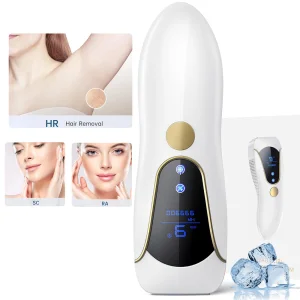
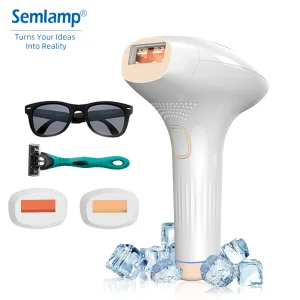
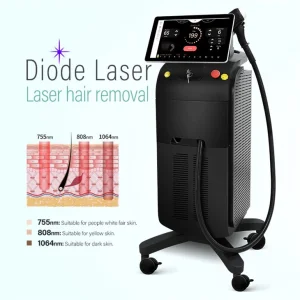
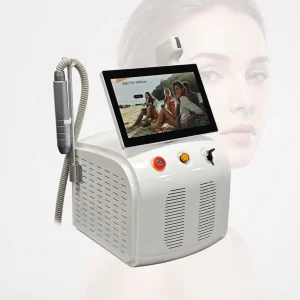
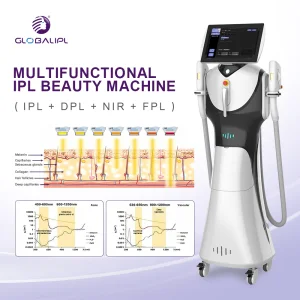
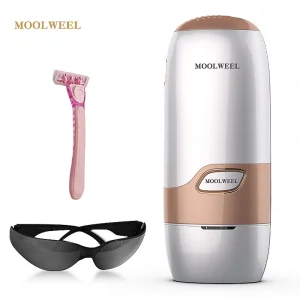
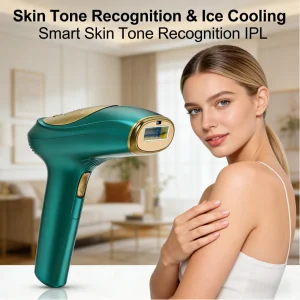
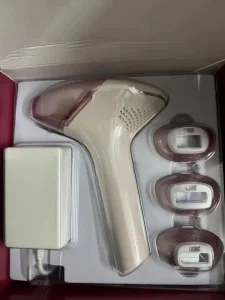
Featured Smart IPL Product Showcase
Explore our high-performance Intense Pulsed Light (IPL) configurations engineered for retail brands, medical spas, and aesthetic distributors worldwide.
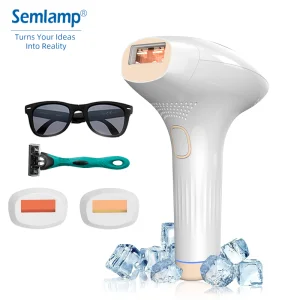
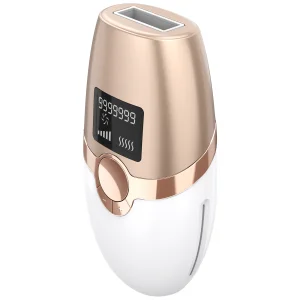
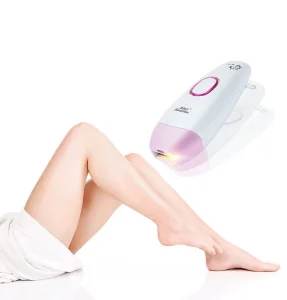
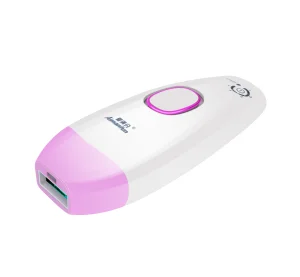
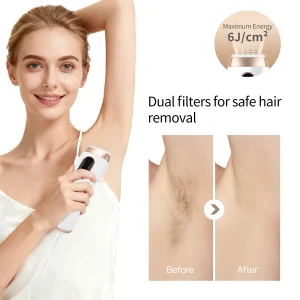
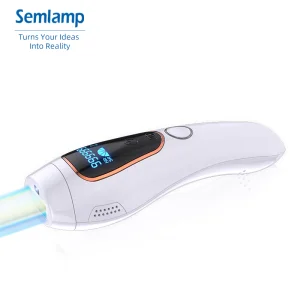
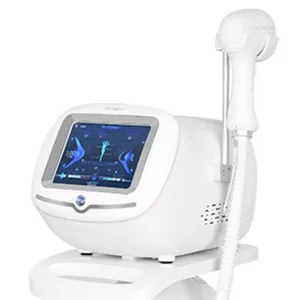
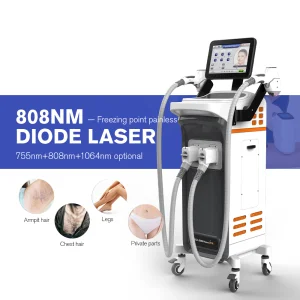
Global Smart IPL & Laser Hair Removal Market Outlook
The global personal care and aesthetic medical device market is undergoing a major paradigm shift. Historically, permanent hair reduction was restricted to clinical setups using high-energy, high-overhead Nd:YAG or Alexandrite systems. Today, the rise of intelligent Intense Pulsed Light (IPL) systems has democratized long-term hair reduction. Global market analyses indicate that the home-use beauty device market is growing at a compound annual growth rate (CAGR) of over 11.2%, with IPL technologies leading the category.
This growth is propelled by advances in localized smart sensing, energy density maximization, and integrated cooling mechanisms. Modern consumers seek fast, painless, and clinically validated options. For B2B importers, medical device distributors, and private label e-commerce brands, understanding the distinction between standard flash epilators and integrated Smart IPL systems with real-time epidermal calibration is vital to capturing market share.
Precision-Driven AI Adaptability
Modern smart IPL devices feature skin tone sensor technologies that continuously scan the skin interface. This prevents localized hyperpigmentation and thermal damage on deeper Fitzpatrick skin classifications by modulating light pulse width and energy density dynamically.
IoT and Mobile Application Integration
B2B brands increasingly demand connected device ecosystems. Smart mobile applications integrated via low-energy Bluetooth allow end-users to schedule sessions, monitor skin barrier recovery metrics, and calculate light pulse intervals for optimal results.
Dual-Wavelength Capabilities
Beyond simple epilation, enterprise models integrate multi-spectrum filters (varying from 510nm up to 1200nm). This converts the device from hair removal to spot clearing, vascular therapy, and overall skin rejuvenation, multiplying its value proposition.
The Physics & Tech Behind Smart IPL Hair Removal
To design and select high-performing products, technical buyers must analyze the hardware and physics of modern IPL devices. Broad-spectrum light operates on the principle of selective photothermolysis. The target chromophore is the melanin within the hair shaft and root, which absorbs light energy, generating heat that disables the regenerative hair follicle stem cells.
1. Wavelength Optimization & Filters
Lower-quality epilators release light starting around 400nm, which is absorbed heavily by the epidermis, posing risks for darker skin tones. Professional smart IPL factories utilize high-purity quartz tubes combined with precise optical absorption coatings. This filters out wavelengths below 510nm or 550nm, focusing energy where it is most effective (600nm–1200nm) and minimizing epidermal discomfort.
2. Energy Density (Fluence) and Pulse Control
Fluence, measured in Joules per square centimeter (J/cm²), determines treatment efficacy. Consumer-level devices range from 3J to 6J/cm², whereas advanced professional handheld systems achieve up to 21J to 28J total energy output. Maintaining stable energy delivery across hundreds of thousands of flashes requires high-capacity capacitor arrays and reliable power management ICs.
3. Epidermal Protection: Sapphire Ice-Cooling Tech
To safeguard the skin from high energy levels, leading manufacturers integrate Peltier-effect thermo-electric cooling (TEC) assemblies connected to high-grade sapphire glass windows. By keeping the interface window temperature below 15°C (often down to 5°C), the skin surface is protected from thermal injury while the deeper follicular structures receive the necessary heat load. This allows for higher fluence and better results with less pain.
| Feature Spec | Entry-Level Consumer Epilator | Advanced Handheld Smart IPL | Clinical Multi-Wavelength System |
|---|---|---|---|
| Wavelength Range | 475nm - 1100nm | 510nm/570nm - 1200nm | 755nm / 808nm / 1064nm (Laser/IPL Hybrid) |
| Max Energy Output | 10J - 12J | 21J - 28J | Up to 120J (Professional Station) |
| Skin Safety Sensor | Basic Contact Sensor | Fitzpatrick Tone Scanning & Auto-Lock | Software-based pigment mapping |
| Cooling Mechanism | Passive Fan Cooling | Active Sapphire TEC Cooling (down to 10°C) | Dual TEC & Liquid Circulating System |
| Lamp Lifespan | 300,000 Flashes | 999,999 Flashes (Unlimited Quartz) | Continuous Xenon / Diode Bar Swap |
China's Supply Chain & Manufacturing Supremacy
Shenzhen and the wider Guangdong province serve as the primary global hub for personal care and optoelectronic beauty device manufacturing. The concentration of component suppliers, engineering talent, and logistics infrastructure in this region provides unmatched efficiency for global B2B buyers.
Rapid Prototyping & Mold Development
Shenzhen's industrial design ecosystems enable rapid physical prototyping. Brands can transition from CAD models to functional injection molds and working samples within weeks, compared to months in other regions.
Optoelectronic Supply Density
Component sourcing is highly localized, with specialized producers of xenon lamps, quartz tubes, optical filters, and thermal management units situated close together, minimizing shipping delays and component costs.
Economies of Scale & Cost Containment
Automated assembly lines, specialized testing equipment, and bulk raw material purchasing allow factories to offer competitive prices while maintaining high build quality and performance standards.
Global Compliance Readiness
Leading export factories maintain comprehensive regulatory profiles. In-house quality systems are set up to produce devices that comply with FDA 510(k), CE Medical MDR, FCC, and RoHS standards.
B2B Procurement & Compliance Standards
When importing beauty devices, compliance with international standards is essential for smooth customs clearance and market entry. Buyers should verify that manufacturing partners hold the appropriate certifications for their target regions.
-
FDA 510(k) Clearance (United States): Necessary for classifying home-use light-based epilators as safe, medical-grade personal care items. Importing unlisted medical devices can lead to customs seizures.
-
CE MDR & LVD (European Union): Devices must meet low voltage directive (LVD) and electromagnetic compatibility (EMC) regulations, alongside Medical Device Regulation (MDR) certification when therapeutic claims are made.
-
RoHS & WEEE Compliance: Verifies that electronic components are free of hazardous substances such as lead, cadmium, and mercury, ensuring safe recycling and disposal processes.
-
ISO 13485 Certification: The gold standard quality management system (QMS) specifically designed for medical device manufacturers, ensuring consistent production processes and traceabilty.
Shenzhen Xtrim Beauty Co., Ltd. - Corporate Capability
Shenzhen Xtrim Beauty Co., Ltd. is a professional manufacturer specializing in IPL hair removal devices, laser hair removal systems, and advanced beauty equipment in China. With strong R&D capabilities and extensive experience in the personal care device industry, we focus on delivering safe, effective, and innovative hair removal solutions for both home users and professional beauty salons worldwide.
Diverse Product Offering
Our product range includes at-home IPL hair removal devices, professional IPL machines, cordless IPL devices, full-body hair removal systems, facial hair removal tools, bikini line treatment devices, skin tone sensing IPL systems, cooling hair removal devices, and salon-grade laser beauty equipment. All products are designed to provide long-term hair reduction results with maximum comfort and safety.
Rigorous Quality Assurance
At Xtrim Beauty, we operate modern manufacturing facilities equipped with advanced production lines and strict quality control systems. Every device undergoes multiple testing processes, including energy output calibration, skin safety verification, durability testing, and performance evaluation to ensure compliance with international standards such as CE, FCC, and RoHS.
Global Reach & OEM/ODM Services
Our experienced R&D team continuously innovates in optical technology, cooling systems, and user-friendly design. We also provide full OEM and ODM services, including private label customization, product design, mold development, packaging solutions, and brand-specific feature integration to help clients build competitive beauty brands in the global market. Our IPL hair removal devices are widely exported to Europe, North America, South America, Southeast Asia, the Middle East, and other regions. They are trusted by beauty brands, e-commerce sellers, salons, and distributors for their reliable performance, modern design, and cost-effective pricing.
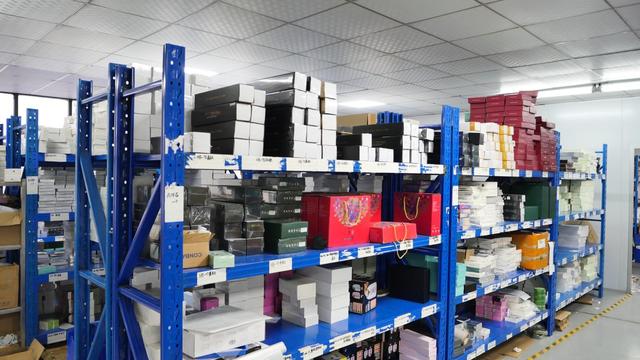
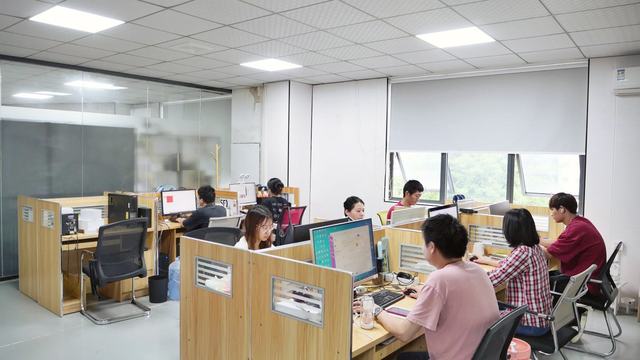
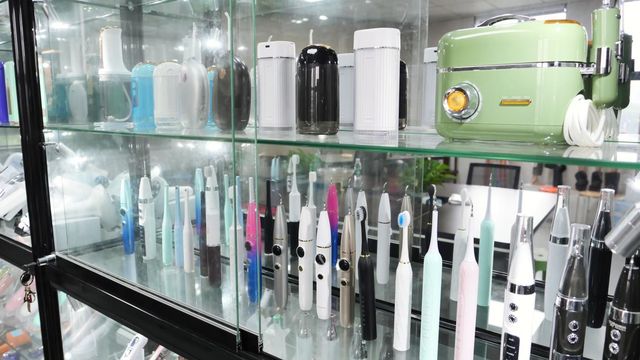
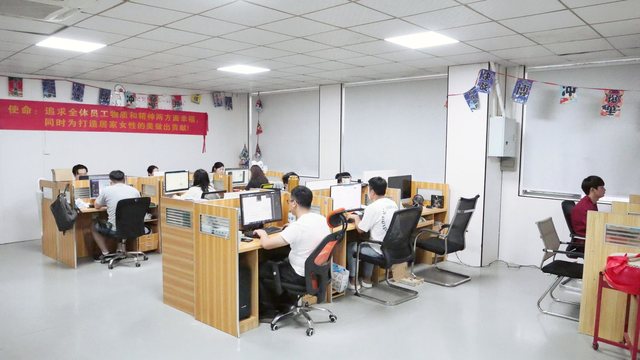
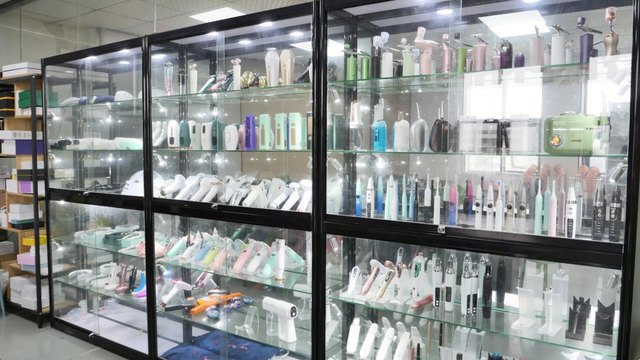
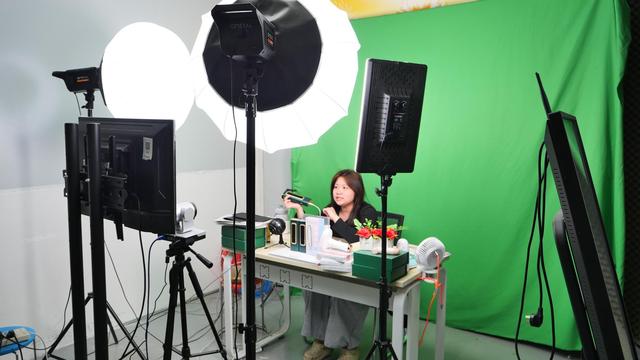
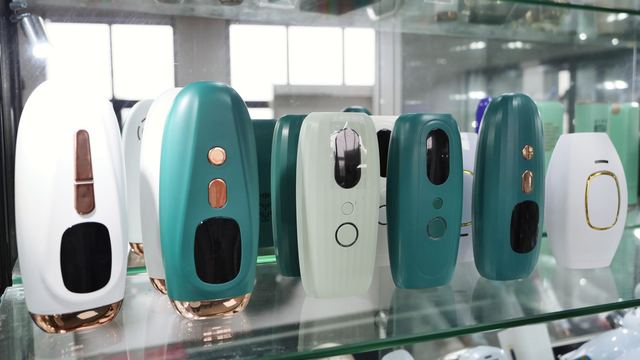
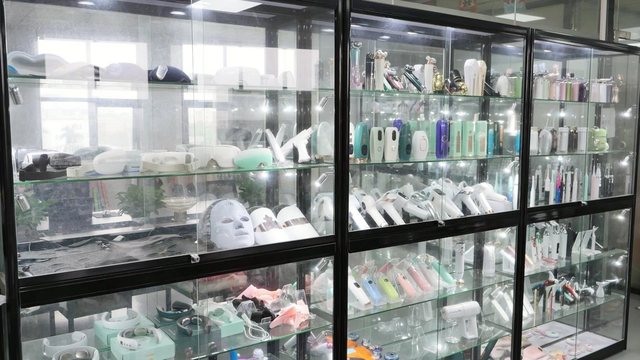
State-of-the-Art Factory Tour & Inspection Facilities
Take a look inside our manufacturing facility in Shenzhen, where we utilize high-precision testing instruments, dust-free assembly rooms, and strict quality control protocols to build every beauty device.


Localization Scenarios & Target Demographics
To successfully market IPL products, it is important to tailor marketing strategies and product setups to specific distribution channels and regional markets:
1. E-Commerce and Retail Brands
Digital-native brands generally require lightweight, ergonomic designs with striking color options, customized packaging, and clear user guides to minimize customer inquiries. Features such as high-contrast LED screens showing remaining flash counts and simple one-touch operations are key selling points in retail environments.
2. Spas, Aesthetic Salons & Medical Clinics
Professional environments demand higher durability and performance. Commercial models should offer high energy density (up to 28J), larger flash windows to speed up body treatments, and robust thermoelectric cooling systems capable of continuous operation during busy clinical hours.
3. Regional Considerations (North America vs. Europe vs. APAC)
North American buyers prioritize devices with FDA clearance and safety features, with an emphasis on skin color compatibility profiles. European markets often require eco-friendly packaging and compliance with strict electrical standards. In the Asia-Pacific region, lightweight handheld devices with integrated skin rejuvenation and spot-reduction functions are highly popular.
Industry FAQ & Sourcing Insights
More Innovative Laser & IPL Hair Removal Designs
Browse our additional professional beauty solutions, ranging from multi-wavelength diode lasers to compact consumer-use devices.