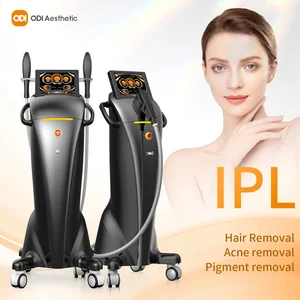
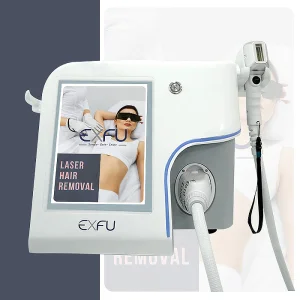
Innovative Hair Removal Equipment Portfolio
Explore our leading technical setups, engineered for maximum patient comfort, rapid flash rates, and permanent hair reduction results.
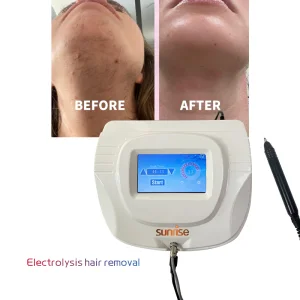
Best Price Electrolysis White Hair Removal with 0.01mm Electrolyse Needles Beauty Machine
Get Tech Specs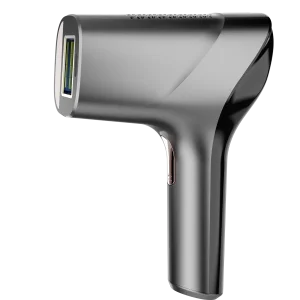
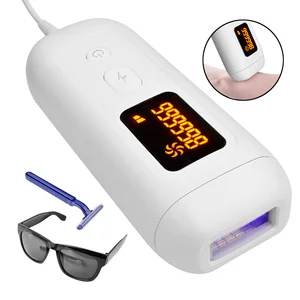
Portable Home Beauty Device Dual-lamp Ice Cooling IPL Hair Removal IPL Epilator For Women
Get Tech Specs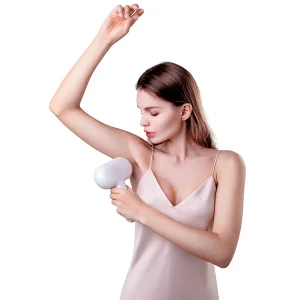
Qizhe IPL-008 48W Handheld Sapphire Ice Cooling Laser Hair Removal Device for Home Use Armpit & Face US Plug
Get Tech Specs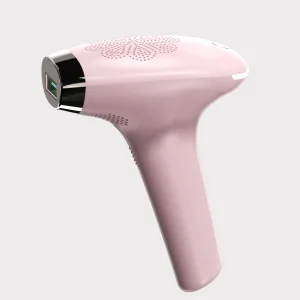
Painless Permanent Laser Epilator Women Armpit Depilation Mini Super Remover Home Use Body Ipl Light Hair Removal Device
Get Tech Specs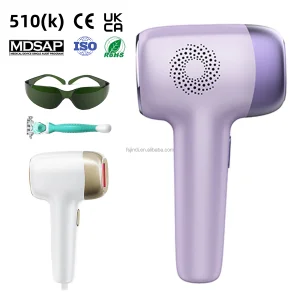
Women Men Portable Fast and Pain Free Painless IPL Hair Remover Device for Armpits Legs Arms Bikini Line
Get Tech Specs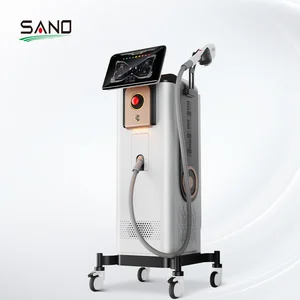
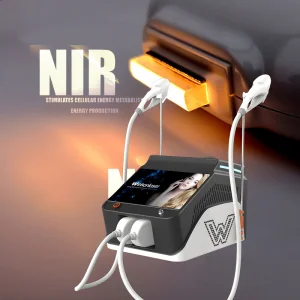
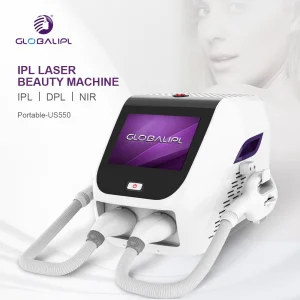
Global Clinical & Consumer Hair Removal Market Insights
Understanding growth vectors, technological transitions, and safety paradigms in light-based aesthetics.
Democratization of Clinic-Grade Efficacy
The global photo-epilation landscape is undergoing a massive shift. Historically, permanent hair reduction was restricted to specialized dermatology clinics utilizing heavy, high-power systems. Today, advanced semiconductor innovation and optical engineering have enabled miniaturized, home-use IPL and Diode systems that match clinical efficacy. Consumers now expect features like Sapphire integrated contact cooling, intense pulse parameters, and customized spectral filtering in ergonomic, portable formats.
Regulatory Standards & Safety Thresholds
As light-based energy devices move deeper into home and consumer care markets, international regulatory compliance has tightened. To operate in North America, Europe, and Asia-Pacific markets, beauty technology brands must guarantee strict adherence to CE, FCC, and RoHS directives. High-quality device architectures must incorporate real-time skin-tone sensors, UV-blocking filters, and automatic power cut-offs to prevent thermal damage, forming a reliable barrier of entry for low-tier factories.
Technological Comparative Matrix
A rigorous engineering breakdown of photothermal and electrical epilation architectures.
| Technology | Wavelength / Core Spec | Primary Biological Target | Optimal Patient Profile | Thermal Action Mechanism |
|---|---|---|---|---|
| Diode Laser | Triple Wavelength (755nm / 808nm / 1064nm) | Melanin in follicular bulb and bulge | All skin types (Fitzpatrick I-VI) | Selective Photothermolysis of hair stem cells |
| Intense Pulsed Light (IPL) | Polychromatic (510nm - 1200nm spectrum) | Melanin in hair shaft | Fitzpatrick skin types I-IV, dark hair | Broadband thermal absorption by target pigment |
| Electrolysis (Needle) | 0.01mm high-grade stainless needles | Dermal papilla directly via chemical/heat | All hair colors (inc. blonde, grey, white) | Galvanic lye production or high-frequency thermolysis |
| DPL (Delicate Pulsed Light) | Narrow-spectrum IPL (500nm - 600nm) | Oxyhemoglobin and superficial melanin | Vascular anomalies & fine, light hairs | Highly selective narrow-band photothermolysis |
Selective Photothermolysis
By matching specific laser light wavelengths (such as 808nm) to target tissue thermal relaxation time (TRT), our machines damage the root without affecting surrounding epidermis. This maximizes treatment security and efficacy.
Sapphire Crystal Ice Cooling
Sapphire contact windows offer superior thermal conductivity. Keeping skin contact temperatures between 0°C and 5°C reduces painful sensations, avoids burns, and allows higher energy fluences for better results.
Electrolysis Accuracy
Utilizing 0.01mm precise electrolysis needles allows permanent targeting of light and white hairs. By channeling high-frequency current, it permanently neutralizes the germinative cells at the follicle base.
Shenzhen Factory Ecosystem & Structural OEM/ODM Advantages
Combining design speed, component integration, and strict quality control protocols.
Vertical Manufacturing Integration
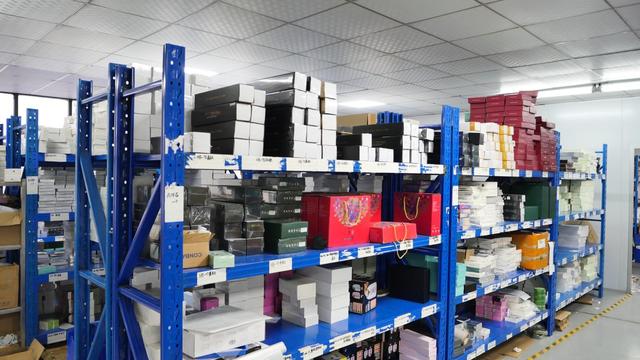
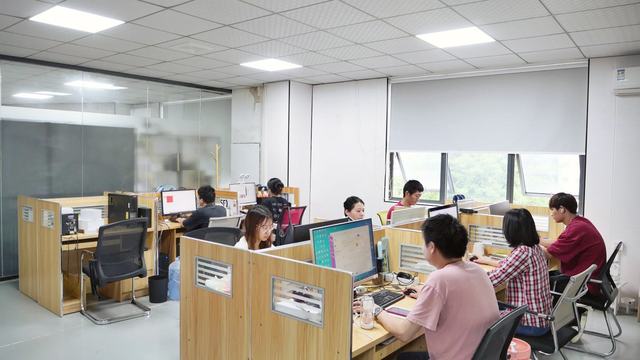
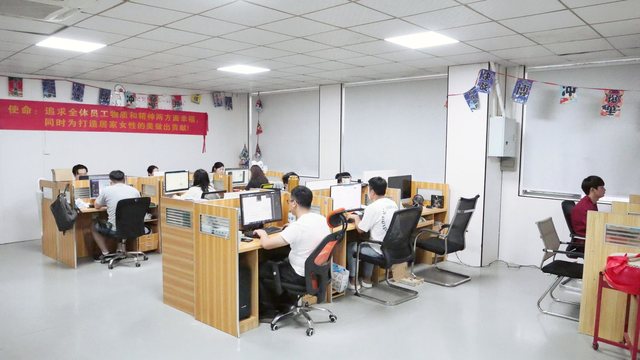
Shenzhen Xtrim Beauty Co., Ltd. operates a highly optimized manufacturing workflow. Our facility integrates R&D laboratories, optical component assembly rooms, dust-free shell injection centers, and dynamic electrical testing labs. This geographical concentration of supply chains translates to rapid lead times, quick turnaround on design upgrades, and an agile path to market for private labels globally.
Rigorous QA Testing Standards
Quality assurance is embedded in our manufacturing culture. Every device undergoes automated calibration runs to verify energy outputs (J/cm²), filter spectrum parameters, and skin tone sensor responsiveness. Devices are subjected to high-pressure thermal chambers, 10,000 continuous-flash durability stress cycles, and drop testing to ensure compliance with CE, FCC, and RoHS standards before export.
Strategic Sourcing & Localized Market Demands
Matching specific technical architectures to local target audiences and commercial channels.
E-Commerce & DTC Brands
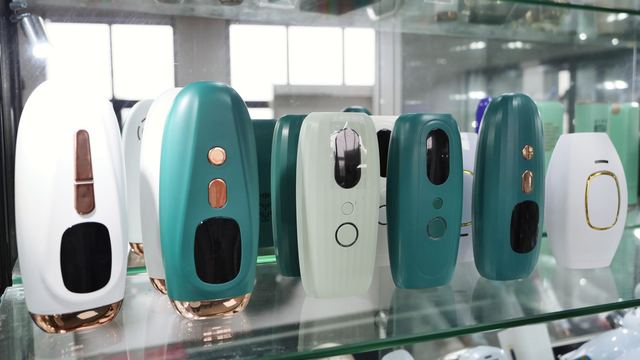
Home-use aesthetic brands require lightweight, compact handheld units with appealing packaging, safety sensor systems, and cost-effective shipping weights. Our custom-mold mini IPL epilator lines fulfill these metrics perfectly.
Medspas & Salon Distribution
Professional facilities require heavy-duty performance: multi-wavelength diode platforms, 3000W high-output power, replaceable optical filters, and water-recirculation active chilling for constant operation.
Custom Localized Engineering
Whether configuring UI languages, power adapters, or customizing optical spectrum cut-off filters to match dominant local skin tones (such as darker phototypes in Latin America), we tailor device specifications at a circuit board level.
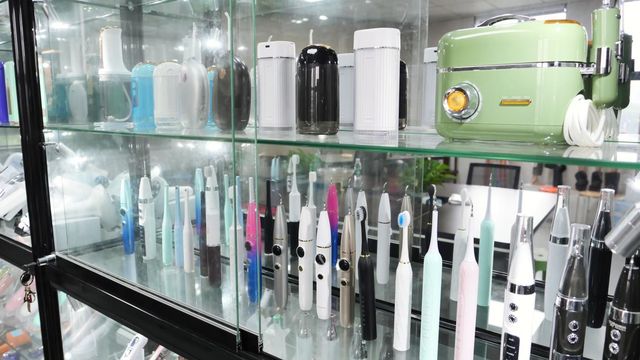
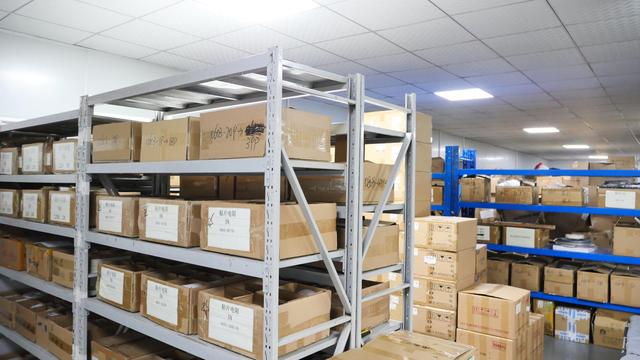
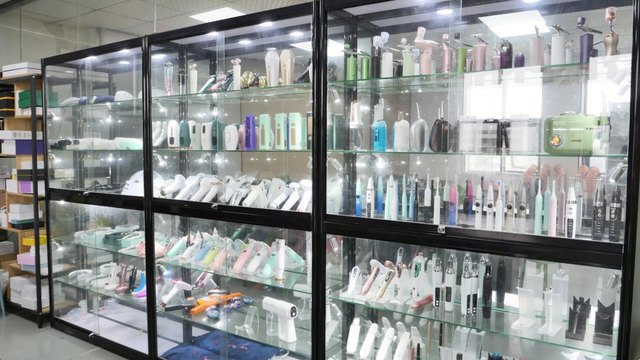
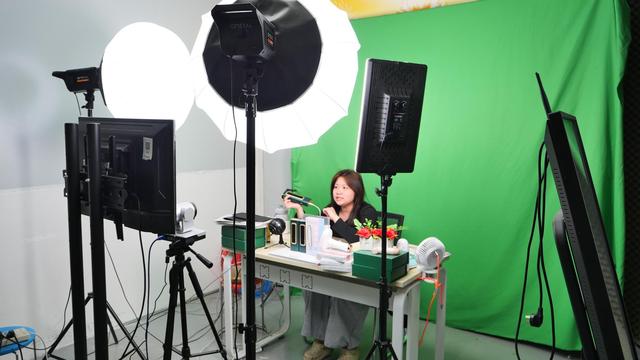
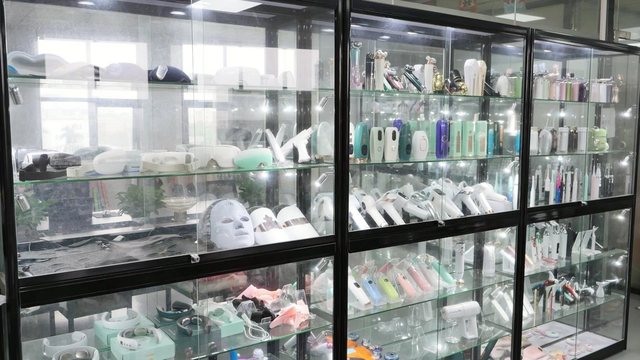
Shenzhen Xtrim Beauty Co., Ltd. Factory Tour
A transparent look inside our production facilities, clean assembly lines, and optical calibration labs.

Sourcing & Customization Lifecycle
A structured breakdown of our step-by-step ODM/OEM process, from concept design to global delivery.
1. Technical Spec Phase
Collaboratively defining system parameters: wavelength distributions (e.g. 510nm, 640nm, 808nm), power inputs (from 48W handhelds to 3000W clinical platforms), skin tone sensing, UI structure, and target budget margins.
2. Prototyping & Molds
Using precise CAD modeling and rapid SLA prototyping to iterate industrial designs. Once approved, we build physical steel molds for production-grade housing injections, matching custom brand aesthetics.
3. Testing & Validation
We submit prototype units to independent laboratories to secure necessary safety certs. Every customization undergoes rigorous wavelength analysis, drop tests, and thermal safety checks before mass production begins.
Frequently Asked Questions & Sourcing Guidance
Resolving key technical queries and operational concerns for beauty tech buyers.
DPL (Delicate Pulsed Light) uses a narrower band of light (typically 500-600nm) to target pigment and superficial blood vessels with greater precision.
Diode Lasers emit monochromatic light at target wavelengths (usually 808nm, 755nm, or 1064nm) to focus energy directly into the hair follicle, offering a powerful option for coarse hair and diverse skin types.
Extended Product Portfolio & Specialized Beauty Systems
Explore further configurations, from handheld consumer IPL kits to high-output laser beauty stations.
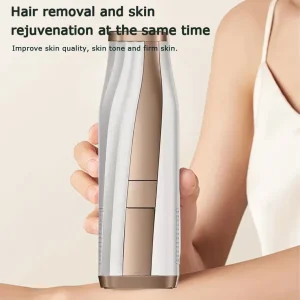
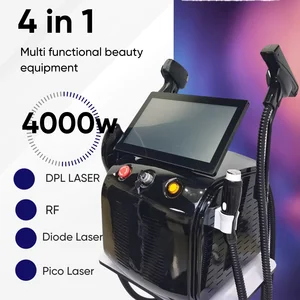
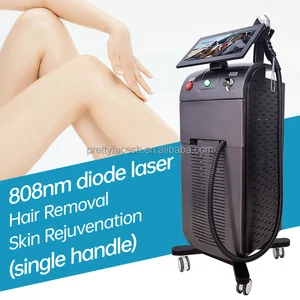
4 In 1 Desktop Soprano Laser 808 Diode Tattoo Pico NdYag Titanium Multifunctional Portable Beauty Equipment Hair Removal Machine
Get Tech Specs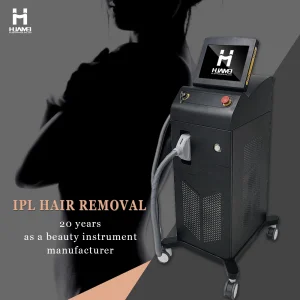
Distributor Large Spot Fast E-light Ipl Hair Removal Machine Skin Rejuvenation Machine for Sale
Get Tech Specs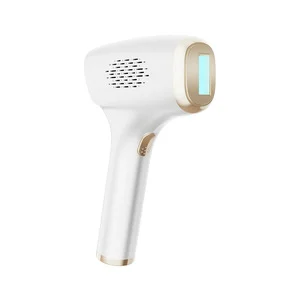
3-in-1 Fast Flash Hand Held IPL Laser Hair Removal Machine 1000W for Home Use with LED Indicator Body & Face Care US AU
Get Tech Specs