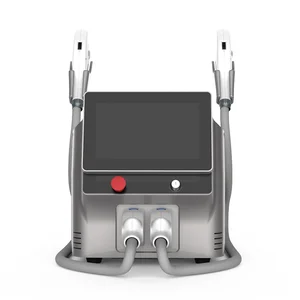
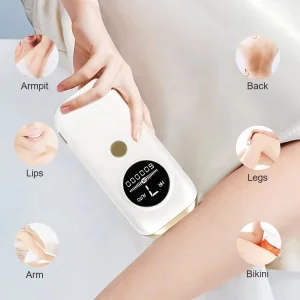
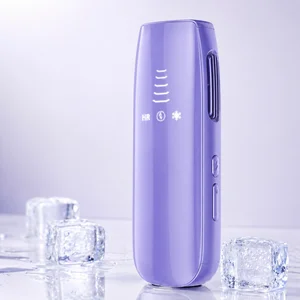
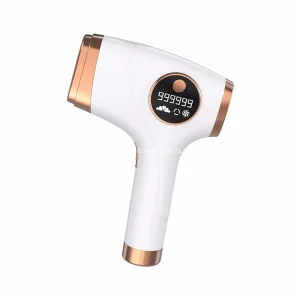
Direct Factory Inventory Showcase
Explore our elite tier of skin-safe IPL and Diode Laser machines engineered for professional aesthetics and premium retail environments.
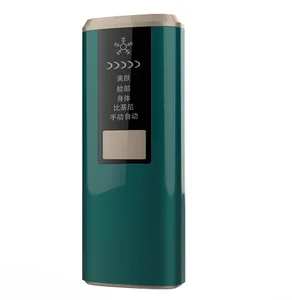
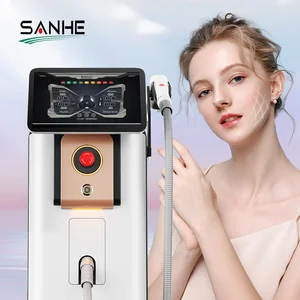
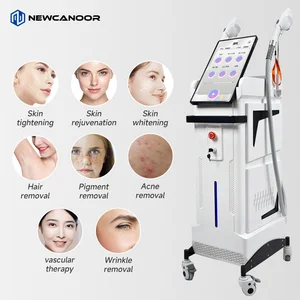
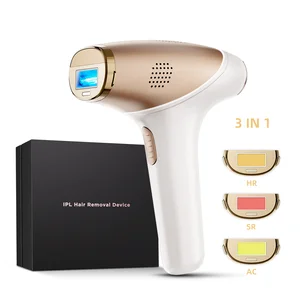
Executive Briefing: The Critical Role of Skin Tone Sensors in Modern Laser Aesthetics
In the field of high-energy light treatments—both Intense Pulsed Light (IPL) and diode laser hair removal—ensuring user safety and treatment efficiency depends on matching the light energy output with the user's specific skin type. The absorption spectrum of melanin is very wide, decreasing as the wavelength gets longer. Because dark skin contains a high concentration of melanin in the epidermis, using high energy levels without adjusting for skin tone can lead to burns, blisters, or post-inflammatory hyperpigmentation (PIH).
To address this risk, modern laser and IPL systems use advanced skin tone sensors (photoreceptive colorimeters). These sensors scan the target area in real time to measure melanin levels, instantly modifying or locking the device's output to safe parameters. As a top-tier manufacturer, Shenzhen Xtrim Beauty Co., Ltd. has spent years developing integrated sensor systems that allow home-use and clinical beauty devices to deliver effective energy levels safely across different skin profiles.
Why Global Brands Partner with Shenzhen Xtrim Beauty Co., Ltd.
Shenzhen Xtrim Beauty Co., Ltd. is a professional manufacturer specializing in IPL hair removal devices, laser hair removal systems, and advanced beauty equipment in China. With strong R&D capabilities and extensive experience in the personal care device industry, we focus on delivering safe, effective, and innovative hair removal solutions for both home users and professional beauty salons worldwide.
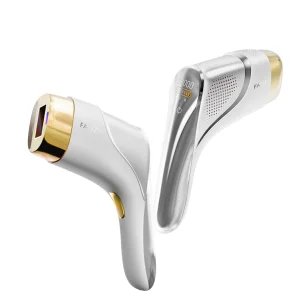
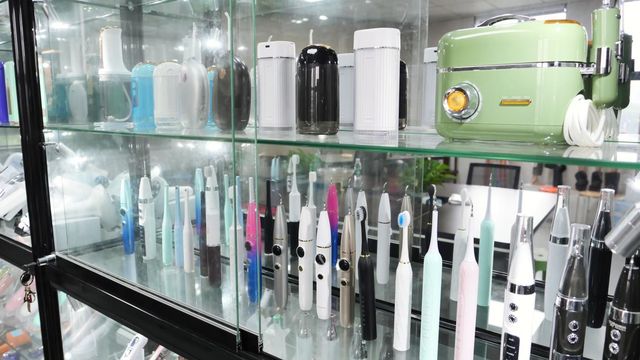
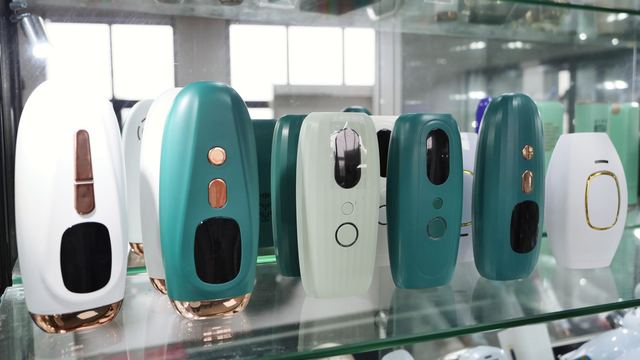
Our product range includes at-home IPL hair removal devices, professional IPL machines, cordless IPL devices, full-body hair removal systems, facial hair removal tools, bikini line treatment devices, skin tone sensing IPL systems, cooling hair removal devices, and salon-grade laser beauty equipment. All products are designed to provide long-term hair reduction results with maximum comfort and safety.
Global Export and Partnership Channels
Our IPL hair removal devices are widely exported to Europe, North America, South America, Southeast Asia, the Middle East, and other regions. They are trusted by beauty brands, e-commerce sellers, salons, and distributors for their reliable performance, modern design, and cost-effective pricing.
As a leading IPL hair removal device manufacturer in China, Shenzhen Xtrim Beauty Co., Ltd. is committed to providing high-quality beauty technology, flexible customization services, fast delivery, and professional technical support to help global customers grow their beauty businesses successfully.
Global Operational Footprint & Standard Benchmarks
Technological Framework: Optical Sensors and Skin-Laser Synchronization
An engineering deep-dive into how we prevent thermal side effects while maintaining hair follicle destruction energy levels.
1. Multi-Wavelength Reflectance
The skin sensor system emits low-power light beams at specific wavelengths (typically red and infrared spectrums) and measures the reflected light. Since melanin absorbs shorter wavelengths more strongly, the ratio of returned light allows the sensor to accurately calculate the skin's melanin index.
2. Active Safety Lockout
If the sensor detects a skin type beyond the device's safe operational threshold (such as Fitzpatrick Type VI for high-fluence short-wavelength IPL), it triggers an electronic safety lock, temporarily disabling the flash mechanism to prevent accidental thermal injury.
3. Dynamic Fluence Scaling
For mid-range skin tones (Fitzpatrick Types III to V), the device adjusts its pulse duration and energy level (J/cm²). This allows the system to achieve sufficient hair follicle heating while keeping the temperature of the epidermis below the pain threshold.
Factory Operations and Global Quality Control
Under the hood of Shenzhen Xtrim Beauty's production lines, cleanrooms, and optical diagnostic labs.
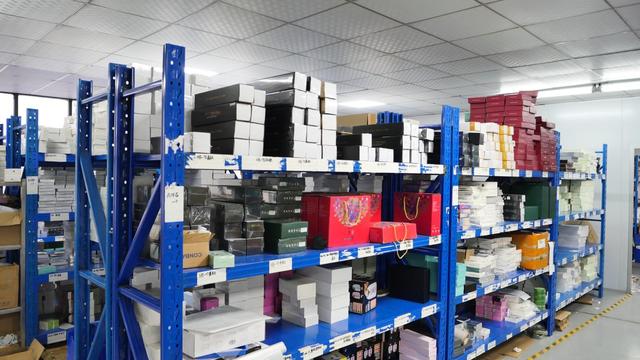
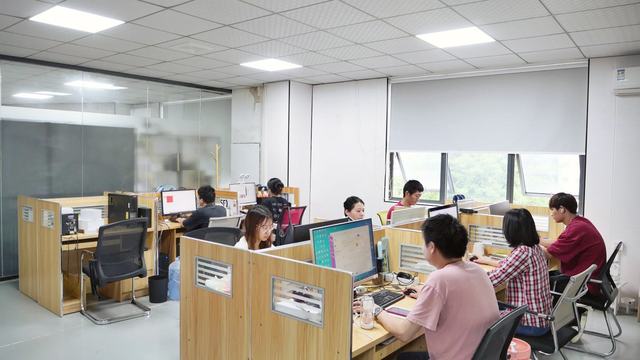
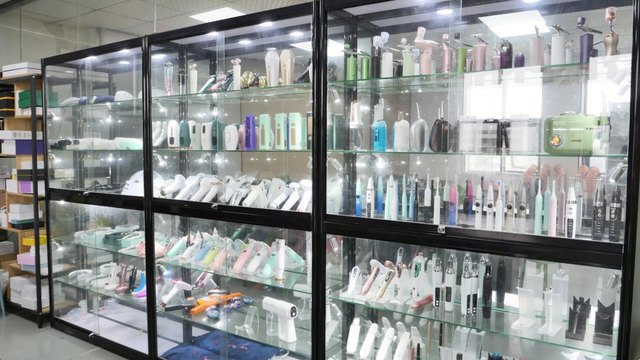
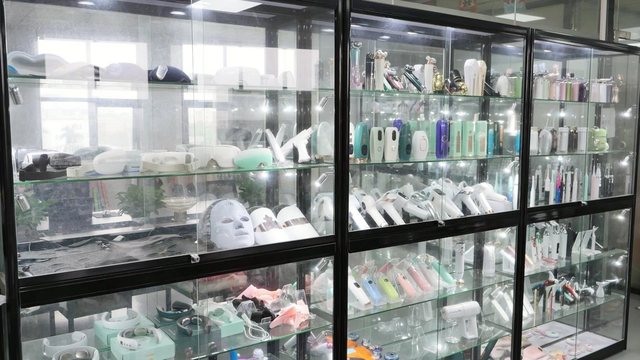
At Xtrim Beauty, we operate modern manufacturing facilities equipped with advanced production lines and strict quality control systems. Every device undergoes multiple testing processes, including energy output calibration, skin safety verification, durability testing, and performance evaluation to ensure compliance with international standards such as CE, FCC, and RoHS.
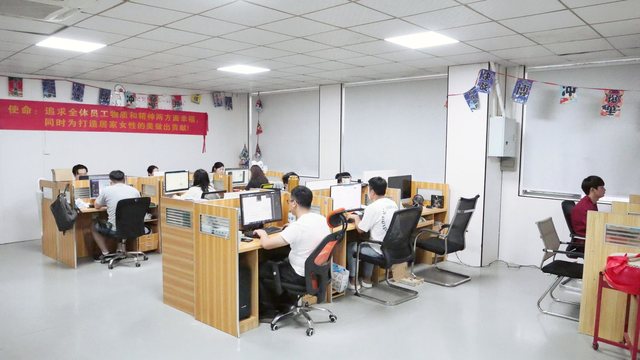
Our experienced R&D team continuously innovates in optical technology, cooling systems, and user-friendly design. We also provide full OEM and ODM services, including private label customization, product design, mold development, packaging solutions, and brand-specific feature integration to help clients build competitive beauty brands in the global market.
Production Lines, R&D Center, and testing Infrastructure



Global Safety Standards and Market Access Requirements
Bringing skin tone-sensing IPL and laser beauty devices to market requires meeting strict regulatory standards. These rules vary by region, focusing heavily on optical safety, electromagnetic compatibility, and medical device regulations.
In North America, home-use laser systems often require FDA 510(k) clearance, which classes them as Class II medical devices. A key part of this review is verifying that the skin tone sensor functions reliably under different ambient lighting conditions to prevent burns on dark skin.
In the European Union, the transition from the Medical Devices Directive (MDD) to the Medical Device Regulation (MDR 2017/745) has reclassified all active hair removal devices—whether for professional or home use—under Annex XVI. This update subjects devices to strict third-party audits by Notified Bodies. Our manufacturing lines run under strict ISO 13485 quality management systems to help clients navigate these compliance pathways smoothly.
The Fitzpatrick Skin Classification Challenge
The Fitzpatrick Phototype Scale divides human skin into six categories (I through VI) based on its reaction to UV light. For optical hair removal devices, Fitzpatrick Types I through IV are ideal candidates for short-wavelength, high-energy light because the contrast between light skin and dark hair is high.
Types V and VI require specialized handling. A high-energy laser pulse can cause epidermal damage if not matched with long wavelengths (like 1064nm Nd:YAG or specific diode configurations) and long pulse widths. Our integrated sensors measure this melanin risk profile within milliseconds, adjusting the device's output to keep treatments safe and effective.
OEM/ODM Customization & Safety Engineering
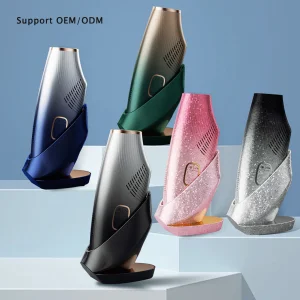
As a seasoned ODM partner, Xtrim Beauty helps brands customize their skin-sensing interfaces. We can modify sensor detection ranges, design customized LED or LCD safety displays, and adjust the power output levels to suit different target markets.
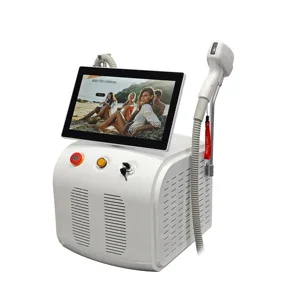
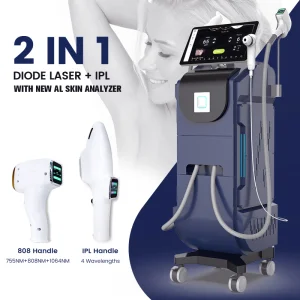
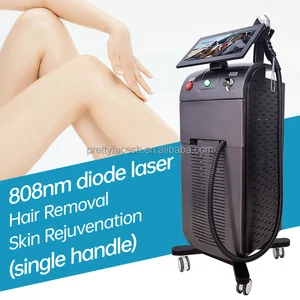
Whether you need a compact, home-use IPL device with an auto-flash sensor or a dual-handle professional salon machine, our engineering team can integrate skin tone sensing systems into your custom product design.
Technological Roadmap: The Future of Smart Photo-Aesthetics (2025–2030)
An overview of upcoming innovations in optical and sensor design for personal care and clinical systems.
AI Spectral Skin Typing
Future sensors will move beyond basic RGB filters to use multi-band hyperspectral imaging. By assessing hydration and localized skin microcirculation, devices can optimize energy settings in real time.
Integrated Contact Cooling
Syncing skin-sensing systems with sapphire cooling heads allows the device to pre-cool the skin based on the detected skin tone. This helps keep treatments comfortable, even at higher energy densities.
Connected App Tracking
Connecting devices to mobile apps via Bluetooth enables users to monitor skin changes over time, track treatment history, and receive personalized safety tips based on their skin profile.
Expert Knowledge Base & Technical FAQ
Answers to common technical, manufacturing, and safety questions about skin tone sensing technology.
The sensor uses a small photodiode array and LEDs that emit light at target wavelengths (such as red and near-infrared). By measuring the amount of light reflected back from the skin, the system calculates the melanin index. This data is compared against preset calibration values to classify the skin type into Fitzpatrick categories I through VI.
For standard short-wavelength IPL devices, Fitzpatrick Type VI skin contains too much epidermal melanin to treat safely, which is why integrated sensors will lock these devices to prevent burns. However, systems that use longer wavelengths (like 1064nm Nd:YAG or specific diode lasers) with long pulse widths can treat darker skin tones safely.
During assembly, each sensor module is calibrated using target materials that simulate the light-absorption properties of different skin types. We also test each device across various ambient light conditions to ensure the sensor reads accurately outside the laboratory environment.
Our products are certified to meet major international safety and environmental regulations, including CE, FCC, RoHS, and LVD. These certifications demonstrate compliance with optical safety, electrical isolation, and material safety standards, helping our OEM and ODM partners launch products in global markets with confidence.
Advanced Optical & Sensor Systems Portfolio
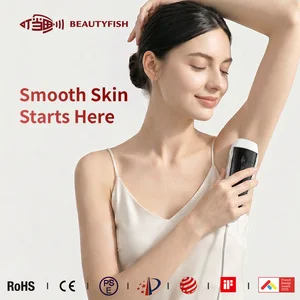
Select from our range of hair removal systems, featuring desktop salon units, portable cooling models, and integrated smart sensor designs.