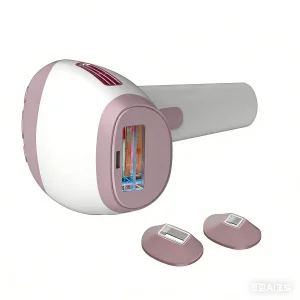
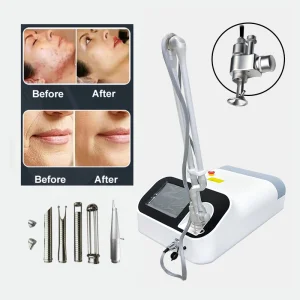
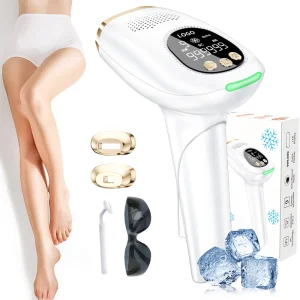
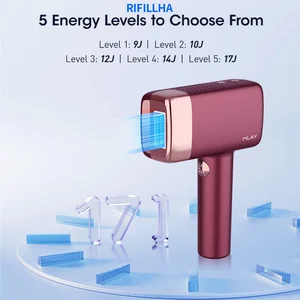
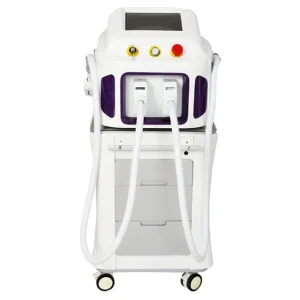
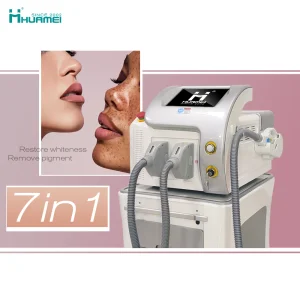
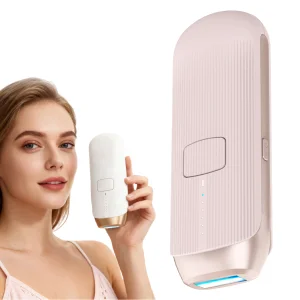
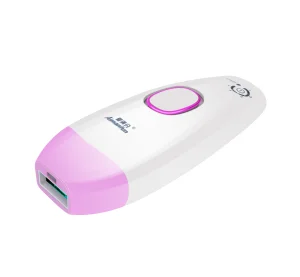
Featured B2B Device Portfolio - Top Selection
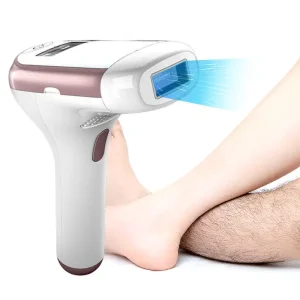
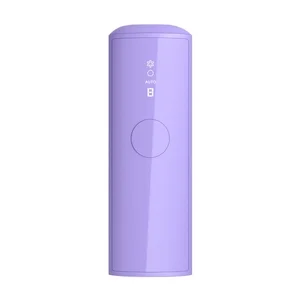
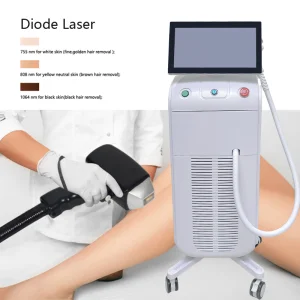
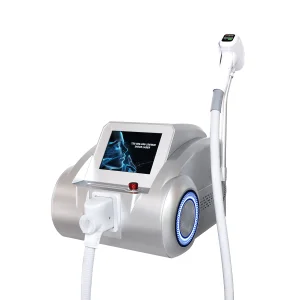
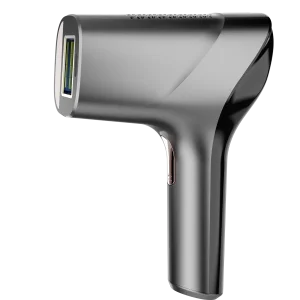

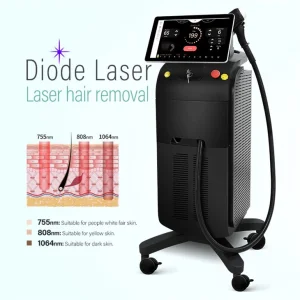
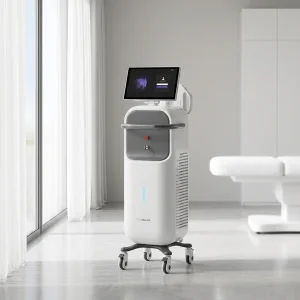
Global B2B Landscape: Facial Laser Hair Removal Device Development
The global aesthetic device sector has experienced a profound paradigm shift. Historically, permanent facial hair removal treatments were strictly confined to professional dermatology clinics utilizing massive, high-power clinical machinery. Today, technological democratization has enabled the development of miniaturized, medical-grade facial laser hair removal devices suitable for both high-end boutique aesthetic salons and consumer home-use retail.
For B2B buyers, distributors, and global brand owners, sourcing from qualified manufacturers is no longer merely a pricing exercise; it is an investigation into optical engineering, pulse width consistency, thermal dissipation capabilities, and clinical safety compliance. This shifts the focus toward factories capable of offering verified optical spectrum configurations and advanced cooling systems that guarantee skin safety on the highly sensitive facial epidermis.
Combining Alexandrite (755nm), Diode (808nm), and Nd:YAG (1064nm) wavelengths allows targets to safely penetrate diverse skin tones on the Fitzpatrick scale.
Modern devices utilize real sapphire crystal windows backed by thermoelectric coolers (TEC) to eliminate epidermal thermal pain.
Precision optics ensure that secondary radiation is filtered out, minimizing post-treatment hyperpigmentation risk.
Emerging Technology Trends
Within the modern aesthetic landscape, three technological paradigms dominate R&D vectors among top Chinese suppliers:
- Smart Skin Tone Sensors: Auto-adjusting energy density (fluence) based on real-time epidermal melanin measurements, preventing accidental thermal injury on darker skin tones.
- Dual-Lamp and High-Fluence Optical Systems: Implementing dual-discharge xenon lamps in IPL devices to ensure a prolonged lifespan (>500,000 flashes) and highly stable energy output.
- IoT-Enabled Professional Devices: Professional medical lasers integrated with wireless protocols to allow salon owners to track usage hours, analyze cartridge lifespans, and push remote firmware updates.
China Industry 4.0: Supply Chain Resilience & Manufacturing Efficiency
Shenzhen, China, has established itself as the global epicenter of optical and electronic manufacturing. As a medical beauty hardware hub, the local ecosystem provides unprecedented vertical integration. From PCB prototyping and optical filter glass coating to precise plastic injection molds and robotic assembly, the entire supply chain operates within a 50-kilometer radius.
This geographic concentration allows top manufacturers like Shenzhen Xtrim Beauty Co., Ltd. to maintain aggressive production cycles and robust QA frameworks that are difficult to match elsewhere. The implementation of Industry 4.0 automated lines ensures that optical power calibration, laser pulse duration tests, and thermal stress tests are executed by machine vision systems rather than manual labor, radically lowering the failure rate of finished goods.
Adhering to international quality management guidelines for medical devices, guaranteeing traceablity from components to end products.
From industrial concept design, 3D printing of sample casings, to structural electronic engineering and prototype verification.
Every batch undergoes rigorous spectrometer validation to ensure emitted light sits exactly within the targeted therapeutic window.
B2B Sourcing Framework: Compliance, Standards, & E-E-A-T Criteria
When global distributors import facial hair removal hardware, they navigate strict regulatory landscapes. The medical and aesthetic sector is subject to intense scrutiny from the US FDA, EU MDR, and local health authorities. Choosing a supplier that lacks strict quality assurance poses a high risk of shipment seizures, brand reputation damage, or product liability lawsuits.
Essential Global Regulatory Checklist
- FDA 510(k) Clearance: Required for commercial and consumer hair removal devices marketed in the United States. Ensure the factory's registration is current and listed under the correct product code (e.g., OHT, GEX).
- CE-MDR (Regulation EU 2017/745): Essential for European markets. The transition from MDD to MDR has placed higher demands on clinical evaluations and post-market surveillance.
- RoHS & WEEE Compliance: Restricts hazardous substances in electronic assemblies, ensuring environmental safety and waste recycling compatibility.
- CB Scheme / IEC 60601-1: International standards verifying electrical safety and electromagnetic compatibility (EMC) of medical electrical equipment.
Evaluating Supplier Expertise and Authority
To follow the Google Quality Rater E-E-A-T (Experience, Expertise, Authoritativeness, Trustworthiness) guidelines, buyers must verify the factory's structural credentials. A trustworthy supplier should provide transparent test reports, clear high-resolution factory imagery, detailed descriptions of their cleanroom assembly operations, and certified optical engineers' qualifications.
Enterprise Profile: Shenzhen Xtrim Beauty Co., Ltd.
Shenzhen Xtrim Beauty Co., Ltd. is a professional manufacturer specializing in IPL hair removal devices, laser hair removal systems, and advanced beauty equipment in China. With strong R&D capabilities and extensive experience in the personal care device industry, we focus on delivering safe, effective, and innovative hair removal solutions for both home users and professional beauty salons worldwide.
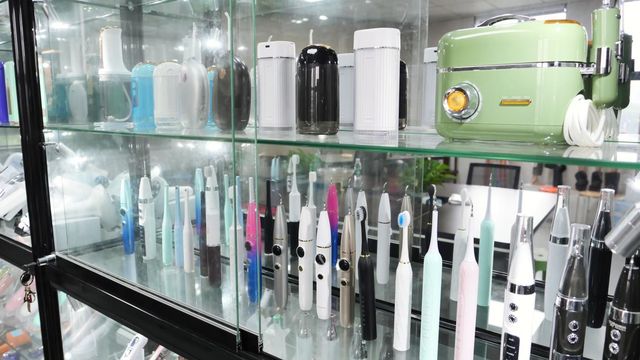
Our product range includes at-home IPL hair removal devices, professional IPL machines, cordless IPL devices, full-body hair removal systems, facial hair removal tools, bikini line treatment devices, skin tone sensing IPL systems, cooling hair removal devices, and salon-grade laser beauty equipment. All products are designed to provide long-term hair reduction results with maximum comfort and safety.
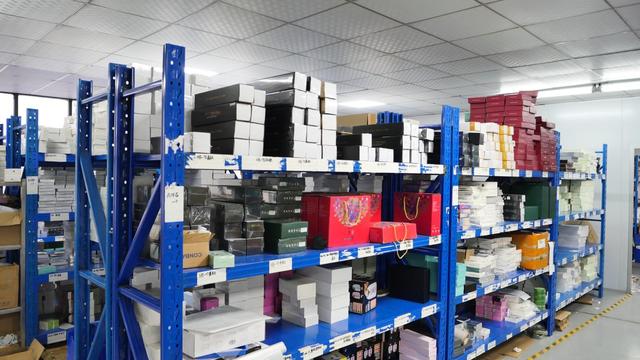
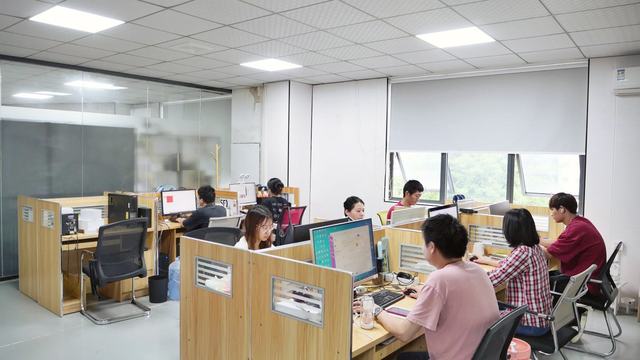
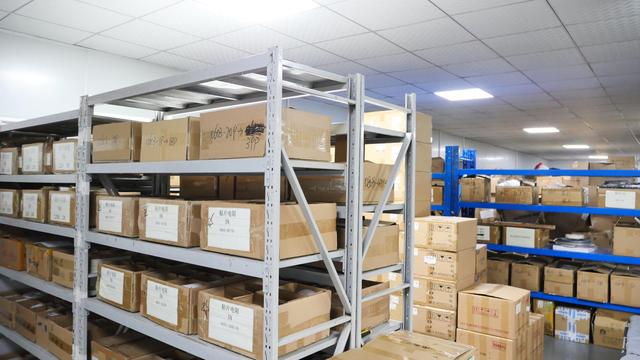
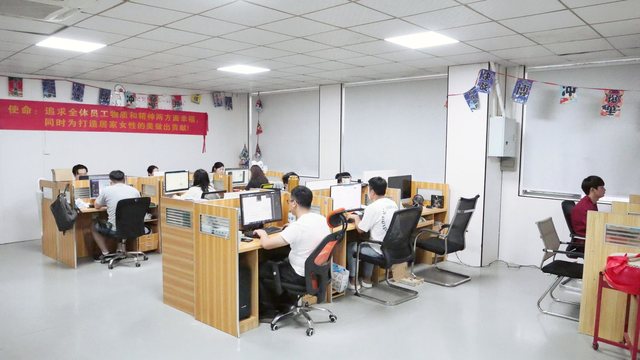
At Xtrim Beauty, we operate modern manufacturing facilities equipped with advanced production lines and strict quality control systems. Every device undergoes multiple testing processes, including energy output calibration, skin safety verification, durability testing, and performance evaluation to ensure compliance with international standards such as CE, FCC, and RoHS.
Our experienced R&D team continuously innovates in optical technology, cooling systems, and user-friendly design. We also provide full OEM and ODM services, including private label customization, product design, mold development, packaging solutions, and brand-specific feature integration to help clients build competitive beauty brands in the global market.
Our IPL hair removal devices are widely exported to Europe, North America, South America, Southeast Asia, the Middle East, and other regions. They are trusted by beauty brands, e-commerce sellers, salons, and distributors for their reliable performance, modern design, and cost-effective pricing.
As a leading IPL hair removal device manufacturer in China, Shenzhen Xtrim Beauty Co., Ltd. is committed to providing high-quality beauty technology, flexible customization services, fast delivery, and professional technical support to help global customers grow their beauty businesses successfully.
Factory Facility & Production Infrastructure
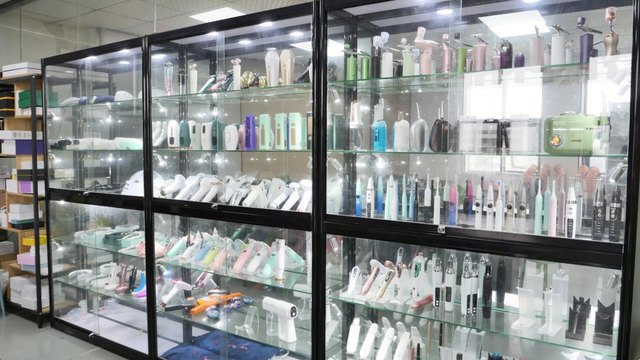

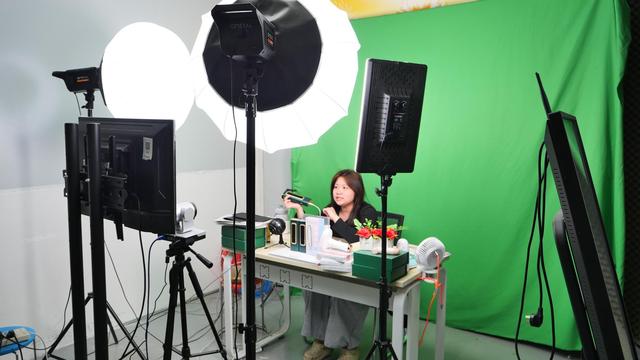
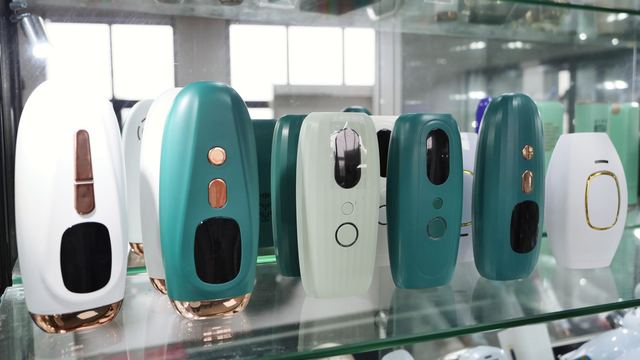
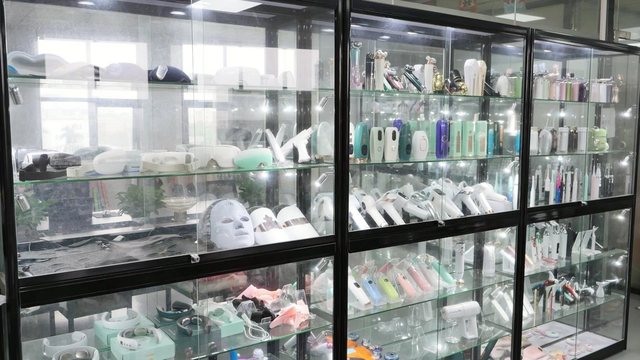
Target Applications & Market-Specific Configurations
Adapting products to fit local regulatory and physical environments is critical for success in diverse global regions. Facial laser and light-based epilators require localized customizations to deliver optimal patient outcomes and satisfy regional safety parameters.
1. North American and European Consumer Markets
In these markets, consumer preference strongly leans toward sleek, ergonomic, and cordless or highly portable home devices. Advanced features such as integrated skin tone sensors that prevent execution of light flashes on incompatible skin types are mandatory for retail distribution. Furthermore, compliance with strict waste management (WEEE) and regional recycling programs is essential for distribution partnerships.
2. Asia-Pacific Aesthetic Clinics & Salons
For professional treatment settings across the APAC region, high throughput is the key performance indicator. Systems must feature dual-cooling frameworks (combining TEC and high-flow liquid cooling) to allow continuous operation without overheating. Wavelengths are tuned specifically to maximize absorption by melanin in dark hair while maintaining minimal absorption in the surrounding epidermal cells to mitigate the risk of post-inflammatory hyperpigmentation (PIH).
3. Middle East and Latin America High-Fluence Demands
Sourcing requirements for these markets focus on high optical energy density. Coarse facial hair requires higher energy fluences. As a result, robust laser diode bars or powerful IPL capacitors are necessary, paired with active sapphire refrigeration window assemblies to make sure these intensive procedures remain pain-free.
B2B Procurement & Technical FAQ
Complete OEM/ODM Product Catalog - Secondary Showcase