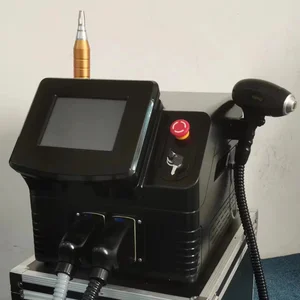
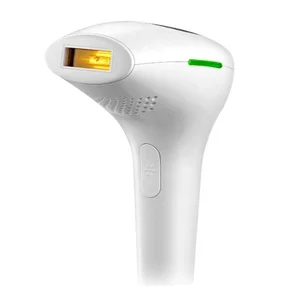
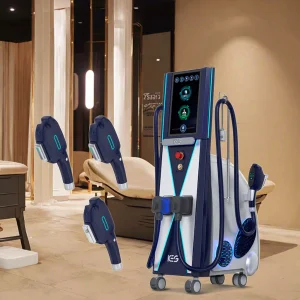
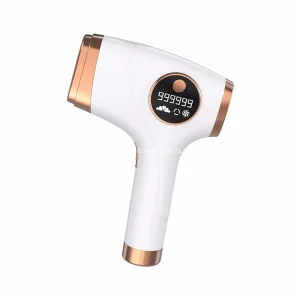
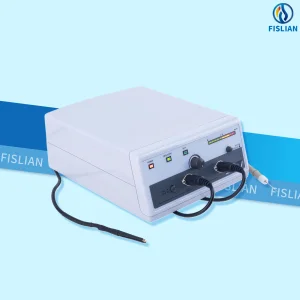
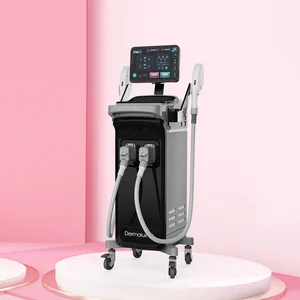
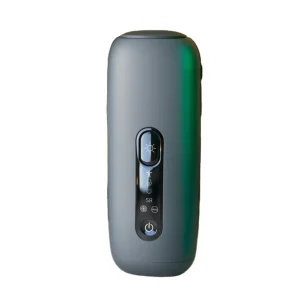
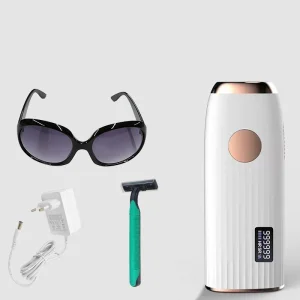
Featured Phototherapeutic & IPL Systems (Batch A)
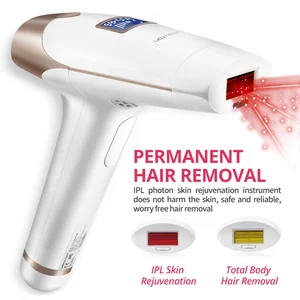
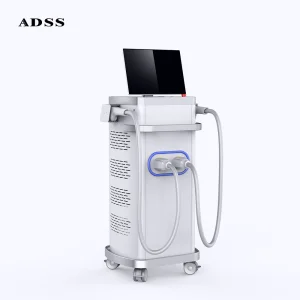
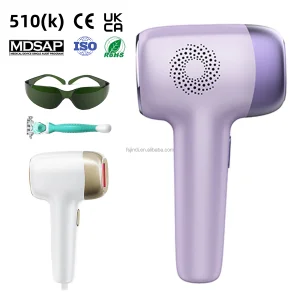
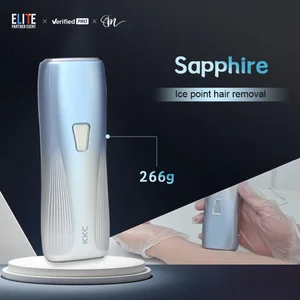
Explore our top-tier engineering array of high-intensity pulsed light (IPL) devices, sapphire ice-cooling hair removers, and clinical-grade rejuvenation technology designed for home and professional use.
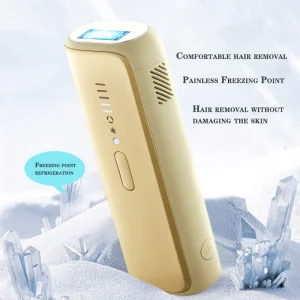
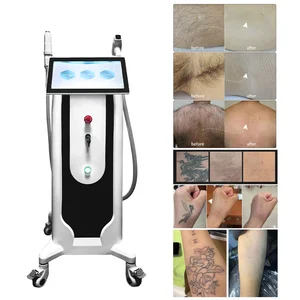
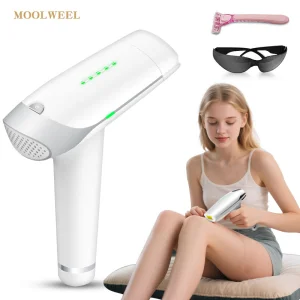
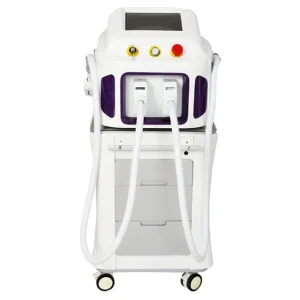
The Global Evolution of Light Therapy & Photomedicine
The market for phototherapy and energy-based aesthetic devices is undergoing a significant paradigm shift. Historically confined to dermatological clinics and high-end medical spas, photobiomodulation (PBM) and Intense Pulsed Light (IPL) configurations have migrated into high-efficiency, home-use personal systems. This evolution is driven by advancements in solid-state light emitters, micro-lens arrays, and high-efficiency capacitor discharge technologies.
For B2B procurement officers, distributors, and private label brands, navigating the landscape of LED light therapy device manufacturers requires a granular understanding of optical engineering. Modern devices do not merely project light; they utilize precise spectral bandwidths (such as 415nm for acne vulgaris, 630nm-660nm for dermal cell proliferation, and 830nm-850nm near-infrared wavelengths for deep tissue restoration) to optimize biological response. Selecting a manufacturing partner with strict R&D control over spectral irradiance (mW/cm²) is crucial for legal market entry and consumer efficacy.
Wavelength Precision
Tolerance within ±5nm ensures therapeutic wavelengths reach the correct dermal layers without generating excess thermal stress.
Thermal Management
Integrated active cooling prevents diode degradation and guarantees a stable lifetime exceeding 10,000 continuous hours.
USD 6.8B
Global Light Therapy Market by 2028
24.5%
CAGR on Home-Use Devices
100%
Regulatory Compliance Rate Required
<0.5%
Factory Defect Rate (AQL 1.0)
Selection Matrix: Evaluating Top Manufacturers & Factories
For buyers looking to establish custom ODM contracts, evaluating factories based on verifiable QA protocols and scientific frameworks is essential. Use our structural matrix below to cross-reference candidates.
| Evaluation Parameter | Clinical Standard Required | Industrial Verification Protocol | Risk Mitigation Outcome |
|---|---|---|---|
| Optical Spectrum Integrity | ±3nm to 5nm variance limit | Spectroradiometric sphere sweep post-assembly | Eliminates ineffective wavelengths, avoiding tissue damage |
| Energy Fluence (Irradiance) | 30mW/cm² - 120mW/cm² depending on depth | Calibrated photodiode sensor array profiling | Ensures photobiomodulation threshold is reached in clinical timeframes |
| Thermal Control Systems | Skin interface safety temperature <41°C | Flir thermal video tracking during 4-hour cycle run | Prevents epidermic burns and extends LED/IPL diode lifespan |
| Capacitor Discharge Speed (IPL) | 0.5s to 1.0s duty cycle intervals | Oscilloscope analysis of current waveform pulses | Guarantees rapid-glide user interaction and constant energy delivery |
| Manufacturing Quality Management | ISO 13485 (Medical Devices) compliance | Annual independent third-party registrar audit validation | Eases customs clearance and lowers class action liabilities |
Industrial Spotlight: Shenzhen Xtrim Beauty Co., Ltd.
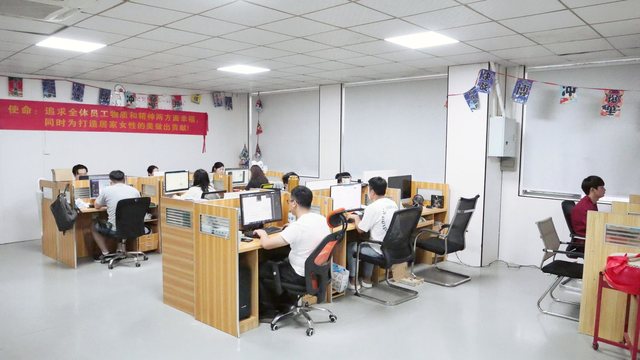
Shenzhen Xtrim Beauty Co., Ltd. is a professional manufacturer specializing in IPL hair removal devices, laser hair removal systems, and advanced beauty equipment in China. With strong R&D capabilities and extensive experience in the personal care device industry, we focus on delivering safe, effective, and innovative hair removal solutions for both home users and professional beauty salons worldwide.
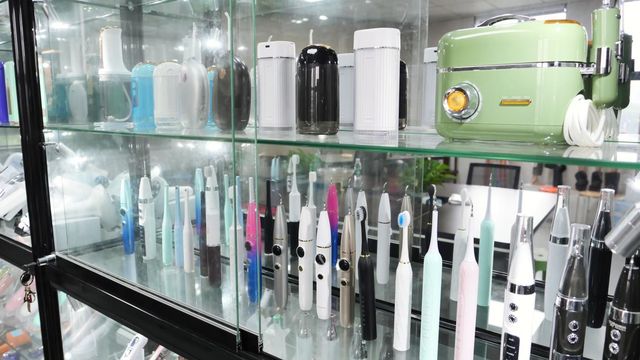
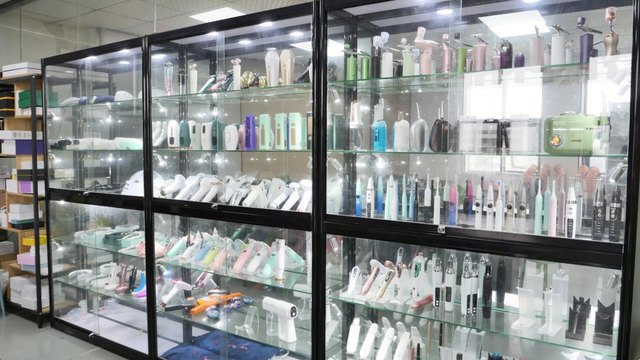
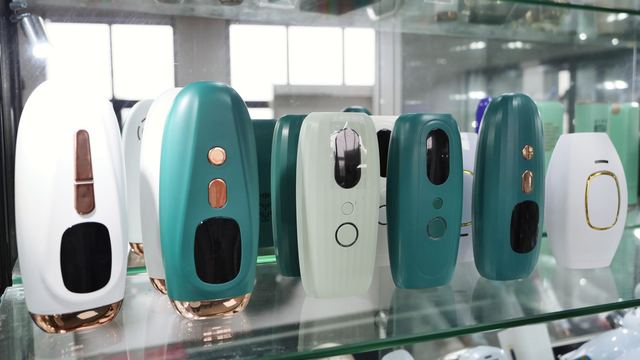
Our product range includes at-home IPL hair removal devices, professional IPL machines, cordless IPL devices, full-body hair removal systems, facial hair removal tools, bikini line treatment devices, skin tone sensing IPL systems, cooling hair removal devices, and salon-grade laser beauty equipment. All products are designed to provide long-term hair reduction results with maximum comfort and safety.
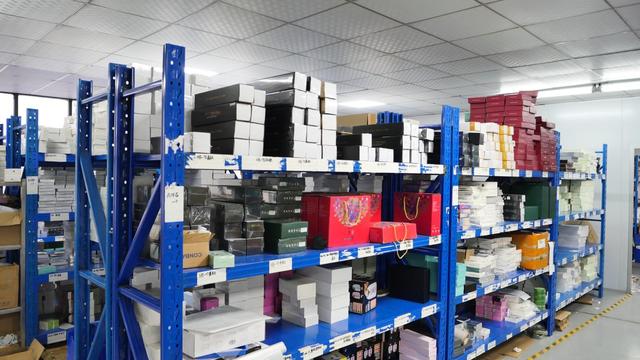
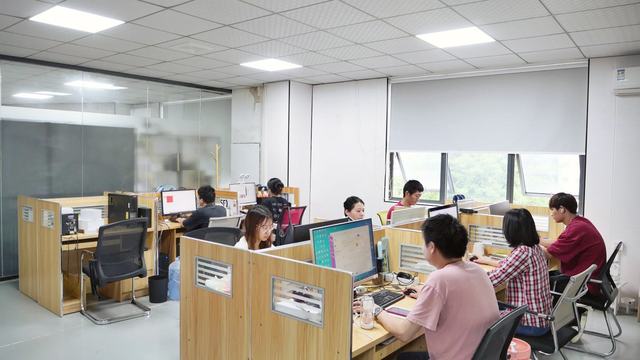
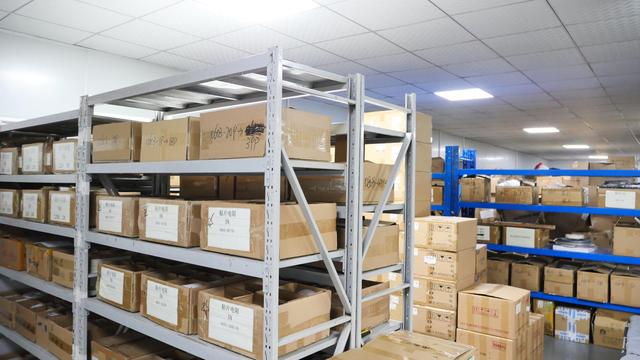
At Xtrim Beauty, we operate modern manufacturing facilities equipped with advanced production lines and strict quality control systems. Every device undergoes multiple testing processes, including energy output calibration, skin safety verification, durability testing, and performance evaluation to ensure compliance with international standards such as CE, FCC, and RoHS.
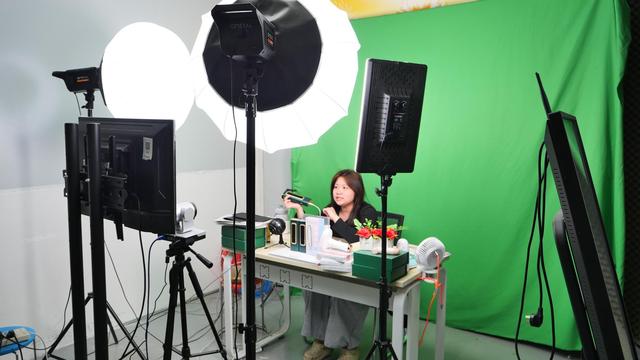
Our experienced R&D team continuously innovates in optical technology, cooling systems, and user-friendly design. We also provide full OEM and ODM services, including private label customization, product design, mold development, packaging solutions, and brand-specific feature integration to help clients build competitive beauty brands in the global market.
Our IPL hair removal devices are widely exported to Europe, North America, South America, Southeast Asia, the Middle East, and other regions. They are trusted by beauty brands, e-commerce sellers, salons, and distributors for their reliable performance, modern design, and cost-effective pricing.
As a leading IPL hair removal device manufacturer in China, Shenzhen Xtrim Beauty Co., Ltd. is committed to providing high-quality beauty technology, flexible customization services, fast delivery, and professional technical support to help global customers grow their beauty businesses successfully.
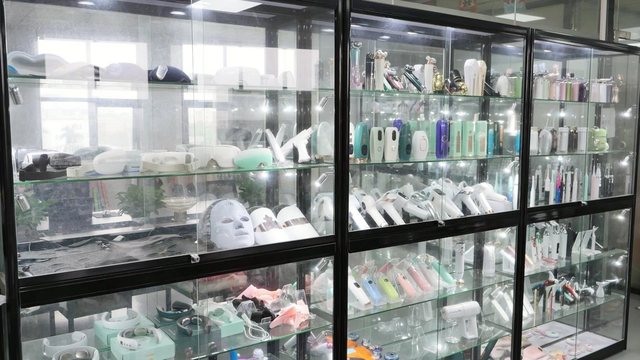
Factory Infrastructure & QA Testing Gallery

Technological Roadmap & Future Outlook
The integration of smart sensory metrics and custom semiconductor materials defines the competitive frontier for optical skincare systems.
Intelligent Skin Tone Sensing
Built-in phototransistors read reflection profiles to instantly scale output Joules according to Fitzpatrick skin classifications, eliminating risk of hypopigmentation.
Sapphire Substrate Cooling
Solid crystalline sapphire glass interfaces conduct heat away from the epidermis instantly, allowing for higher IPL therapeutic output levels without pain.
Narrow Band Light Arrays
Transitioning from broad-spectrum gas lamps to ultra-targeted laser diodes and narrow-band LED semiconductors for hyper-focused photo-dermal therapy.
Compliance Standards Directory
FDA 510(k): Necessary for US distribution; classifies device safety parameters.
Medical CE (EN ISO 13485): Obligatory European Union medical equipment safety standard.
RoHS & WEEE: Restricts hazardous substances in PCB solder and housing composites.
Global Regulatory & Localization Architecture
Securing consumer safety approvals across global regions is the single highest barrier to entry for importing light therapy instruments. Legitimate manufacturing factories, such as Shenzhen Xtrim Beauty Co., Ltd., invest heavily in maintaining global testing profiles. The process involves structural component testing, electrical shielding evaluations, and bio-compatibility clearances for skin contact modules.
In addition to safety clearances, localization engineering requires adaptation of plug configurations, voltage stability transformers (110V to 240V auto-sensing switching mode power supplies), localized packaging labels, and translated instructional documentation. A manufacturer's ability to facilitate quick access to test reports accelerates customs throughput and ensures smooth retail distribution pathways.
Professional Sourcing Q&A
Get answers to critical technical and logistical questions to assist sourcing directors in optimizing their production pipelines.
What is the difference between home-use IPL devices and LED light therapy panels?
IPL (Intense Pulsed Light) relies on high-energy, broad-spectrum light pulses discharged via a xenon lamp, primarily absorbed by chromophores like melanin in hair roots to disrupt the growth cycle. LED light therapy, conversely, utilizes continuous low-level light therapy (LLLT) across distinct, narrow wavelengths (e.g., Red or Near-Infrared) to activate cellular repair mechanisms and boost collagen production without thermal trauma.
How do top factories ensure stability of photothermal energy output?
Leading factories implement systematic calibration loops. During assembly, the light output is measured using precision optical integrating spheres to adjust driving current. Furthermore, microcontrollers with integrated temperature monitors balance the electrical pulse rate dynamically to ensure constant energy density across prolonged usage cycles.
What are the standard customization pathways for B2B OEM/ODM orders?
B2B buyers can customize cosmetic features (silkscreened logos, exterior paint colors, custom packaging formats) or engineering features (adjusting lens focal lengths, modifying wavelength ratios, upgrading capacitor sizes, or integrating custom firmware routines such as Bluetooth app interfaces).
What is the typical lifespan of an at-home IPL tube versus an LED array?
High-grade quartz IPL tubes generally yield between 300,000 and 1,000,000 flashes depending on the capacitor energy density settings. Solid-state LED light arrays have longer operating lives, typically running for 10,000 to 50,000 hours with negligible light output degradation, provided they are supported by proper heat dissipation.
Why is sapphire glass highly valued in modern cooling hair removers?
Sapphire has high thermal conductivity. When integrated with Peltier thermoelectric coolers (TEC), sapphire transfers heat away from the skin surface instantly, maintaining contact temperatures between 5°C and 10°C. This counteracts the photothermal heat of the light pulse to make high-energy treatments painless.
Professional Phototherapeutic & IPL Systems (Batch B)
Review our second curated range of professional salon-grade laser, tattoo removal, and portable hair reduction devices certified for global distribution.