Featured Photo-Aesthetic & Optical Laser Systems - Part I
Explore our premier line of industrial, medical-grade, and home-use optical systems engineered with advanced energy delivery mechanisms and integrated skin-safe cooling technologies.
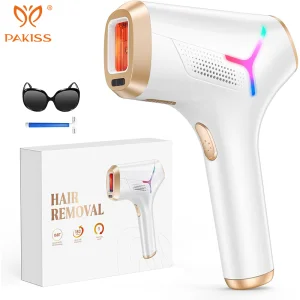
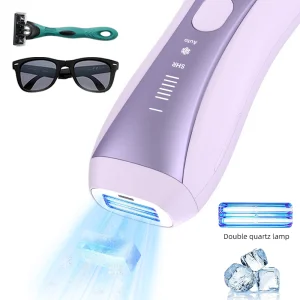
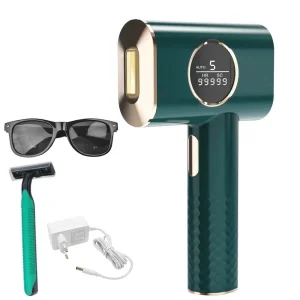
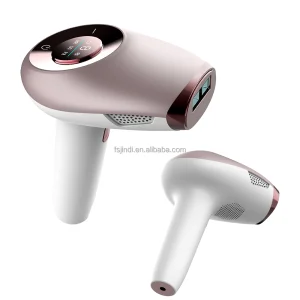
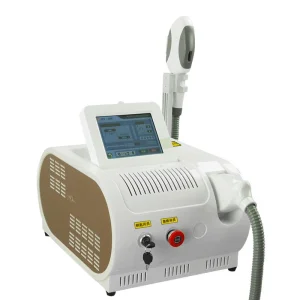
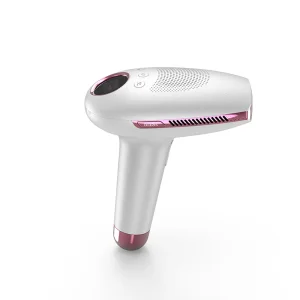
Skin Color Recognition Permanent Double Quartz Tube IPL Hair Laser Removal Fast Flashes Sapphire Ice Cooling
Inquire Now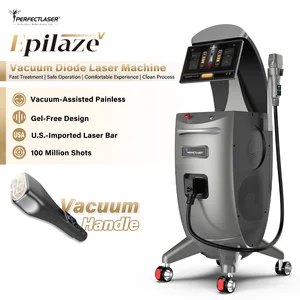
Perfectlaser New Painless Permanent Laser Hair Removal Machine For Sale Vacuum Handle 808nm Diode Laser
Inquire Now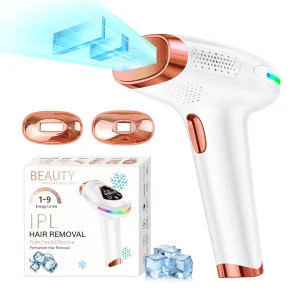
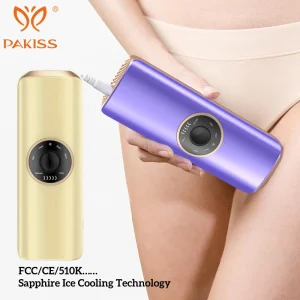
Hot Selling 510K New Design 99999 IPL Sapphire Epilator Ice Cooling Home Handle Portable Machine Painless
Inquire Now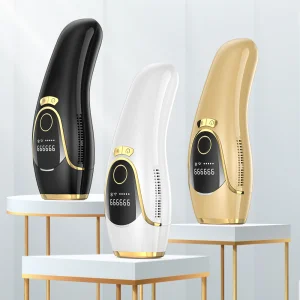
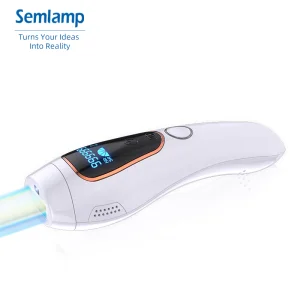
99w Shots Ice Cooling Laser Hair Removal Device Home Use Handle IPL Hair Removal Machine
Inquire Now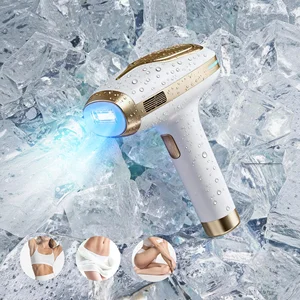
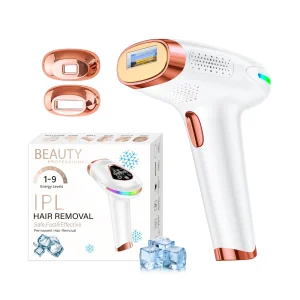
Home Use ICE Cooling IPL Hair Removal Epilator - Painless Portable for Face & Body, Adjustable Intensity
Inquire Now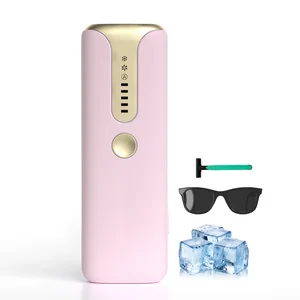
The Paradigm Shift in Personal Photo-Therapeutics & Dental Laser Technology
The global consumer health and aesthetic technology sector is undergoing an unprecedented convergence. No longer segregated to clinical operatories, professional-grade laser technologies—ranging from diode-based dental whitening systems to high-intensity pulsed light (IPL) dermatological tools—are transitioning into high-performance, personalized home care systems. Globally, high-powered blue light laser systems operating in the 450nm-480nm spectrum have emerged as the industry gold standard for accelerating peroxide-based dental bleaching agents.
This massive rise in consumer expectation has driven massive demands for integrated optical systems that offer professional clinical efficacy alongside consumer-grade skin and thermal safety profiles. At the heart of this global transition is the demand for reliable manufacturing partners capable of balancing complex micro-electronics, precise optical wavelength emission, and cost-effective structural design.
Shenzhen Xtrim Beauty Co., Ltd. — Industrial Competence & R&D Authority
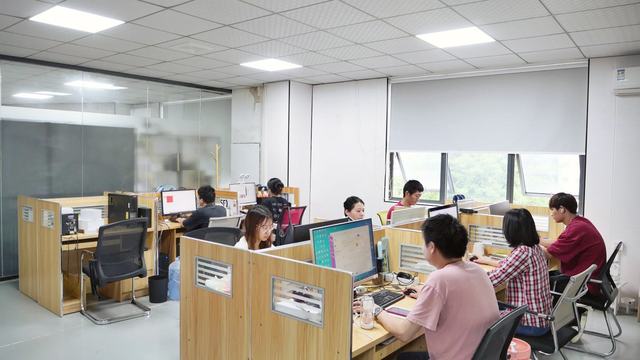
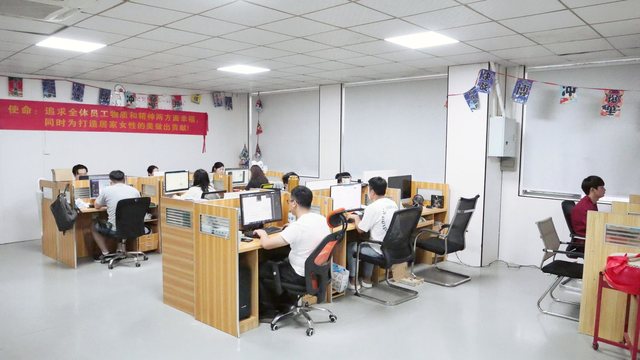
Shenzhen Xtrim Beauty Co., Ltd. is a professional manufacturer specializing in IPL hair removal devices, laser hair removal systems, and advanced beauty equipment in China. With strong R&D capabilities and extensive experience in the personal care device industry, we focus on delivering safe, effective, and innovative hair removal and photo-thermal solutions for both home users and professional beauty salons worldwide.
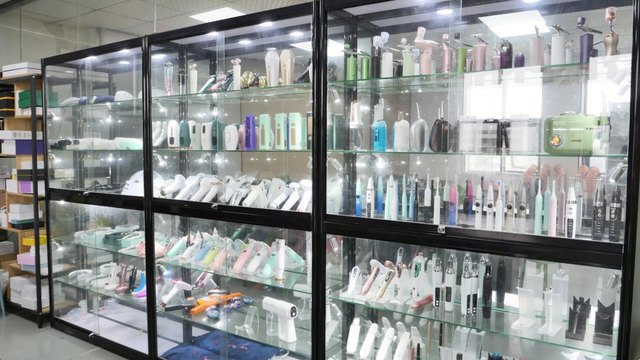
Diverse & Custom Product Engineering
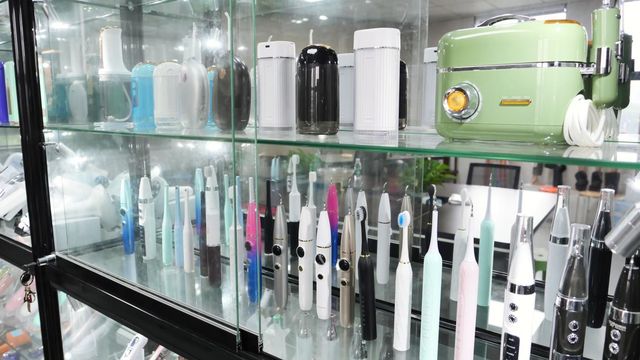
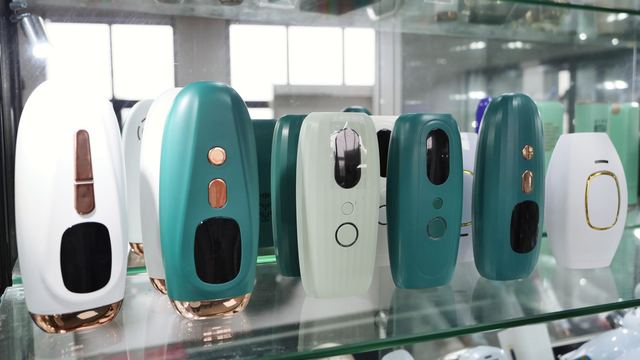
Our comprehensive production range includes at-home IPL hair removal devices, professional IPL machines, cordless IPL devices, full-body hair removal systems, facial hair removal tools, bikini line treatment devices, skin tone sensing IPL systems, cooling hair removal devices, and salon-grade laser beauty equipment. Every hardware unit is designed to provide long-term aesthetic results with maximum physiological comfort and safety.
Rigorous QA & Production Control
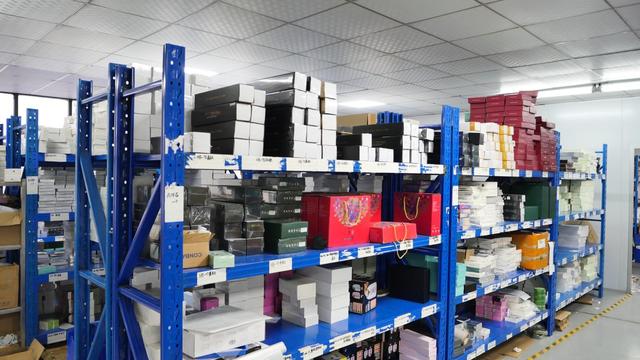
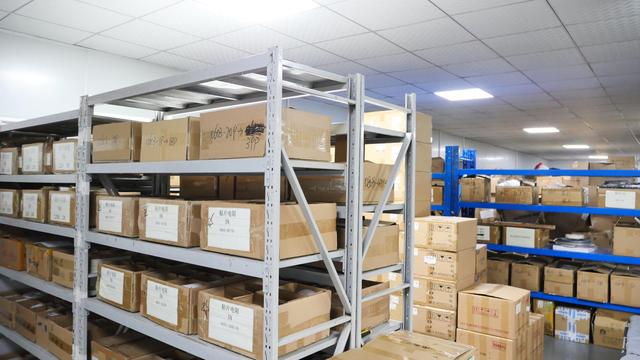
At Xtrim Beauty, we operate modern manufacturing facilities equipped with advanced production lines and strict quality control systems. Every device undergoes multiple testing processes, including energy output calibration, skin safety verification, durability testing, and performance evaluation to ensure compliance with international standards such as CE, FCC, and RoHS.
Full-Service OEM/ODM Integration
Our experienced R&D team continuously innovates in optical technology, cooling systems, and user-friendly structural design. We also provide full OEM and ODM services, including private label customization, product design, mold development, packaging solutions, and brand-specific feature integration to help clients build competitive beauty brands in the global market.
Our IPL hair removal devices and optical systems are widely exported to Europe, North America, South America, Southeast Asia, the Middle East, and other regions. They are trusted by beauty brands, e-commerce sellers, salons, and distributors for their reliable performance, modern design, and cost-effective pricing. As a leading optical and IPL hair removal device manufacturer in China, Shenzhen Xtrim Beauty Co., Ltd. is committed to providing high-quality beauty technology, flexible customization services, fast delivery, and professional technical support to help global customers grow their beauty businesses successfully.
China's Production Supremacy in Photo-Aesthetic & Dental Technologies
Understanding why Shenzhen stands as the undisputed global capital for optical and micro-electronic medical device manufacturing.
Dynamic Supply Chain Clustered in Shenzhen
The manufacturing ecosystem in Shenzhen enables real-time sourcing of key optical components, including high-purity quartz flash tubes, premium sapphire crystals, micro-cooling fans, and advanced microcontroller units (MCUs). This spatial concentration minimizes logistics lag, reducing prototyping lead times from months to mere days.
Strict Automation & Calibration Standards
Modern Chinese factories utilize robotic assembly for optical alignment, and spectrophotometric testing to ensure that the wavelength emitted (whether 480nm for dental laser acceleration or 640nm for deep hair removal) does not deviate by more than 2nm. This precision guarantees both client safety and treatment efficacy.
Cost Mitigation & Global Regulatory Alignment
By optimizing assembly pathways and running highly structured tooling operations, manufacturers significantly lower production costs. Crucially, these savings do not compromise regulatory compliance; facilities are systematically certified under FDA, CE, FCC, and RoHS frameworks, allowing seamless imports worldwide.
Localized Application Scenarios & Engineering Demands
Different markets require different engineering approaches. Below is an analytical breakdown of how laser teeth whitening and optical devices are customized for various clinical and consumer environments.
1. Professional Aesthetic Spas & Dental Clinics
In clinical settings, throughput and stability are paramount. Dental whitening kits used here require continuous power output and high-intensity multi-diode lamps. The manufacturing focus is on robust heat dissipation (often utilizing physical cooling fans alongside aluminum heat sinks) to prevent the housing from overheating during back-to-back client sessions. Standard protocols call for wavelengths between 460nm and 490nm, designed to activate peroxide formulas in under 20 minutes.
2. Consumer-Facing At-Home Solutions
For home environments, user safety and ergonomics dictate design. Devices must incorporate built-in smart sensors (such as capacitive skin-tone contact sensors or tooth shade match detectors) to prevent accidental optical discharge into the eyes. Ergonomic form factors, rechargeable lithium-ion battery integration, and intuitive inductive charging docks are prioritized to maximize usability and customer compliance.
Global Enterprise Procurement Requirements
When global distributors, cosmetic brands, and e-commerce leaders source high-performance optical and dental whitening devices, key technical parameters dictate the selection process.
Wavelength Precision & Spectral Filtering
Aesthetic devices rely heavily on spectral filters to block unwanted UV or infrared energy. In laser teeth whitening, pure blue light (specifically peak energy around 465nm) is essential for chemical oxidation without thermal damage to dental pulpal tissues. For hair removal, professional quartz filters must isolate wavelengths below 510nm to ensure light penetrates deep into the follicle without overheating the dermis.
Thermal Management & Sapphire Integration
To deliver high energy safely, thermal management is key. Standard units utilize glass contact plates, whereas high-end configurations feature synthetic sapphire glass. Sapphire possesses high thermal conductivity, drawing heat away from the skin instantly. This cooling effect allows for higher optical energy densities (measured in Joules/cm²) to be deployed safely and painlessly.
Regulatory Verification & Safety Interlocks
Regulatory frameworks such as CE, FCC, and RoHS are not optional. Importers must verify that factories conduct rigorous high-voltage safety tests, electromagnetic compatibility (EMC) assessments, and photobiological safety checks (IEC 62471) to ensure the device poses no optical radiation threat to the human eye.
Strategic Industry Q&A: Technology, Sourcing, & Compliance
Get authoritative, technical answers to the most common questions surrounding optical aesthetic and dental whitening device manufacturing.
Featured Photo-Aesthetic & Optical Laser Systems - Part II
Browse our high-durability portable devices, pet grooming solutions, and sapphire-integrated permanent epilation systems built for global markets.
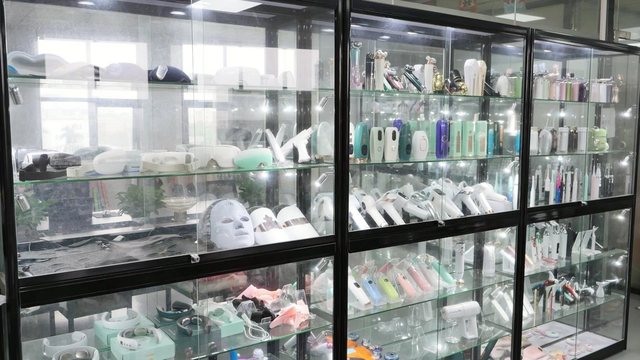
Authorized Factory Showroom & Assembly Operations
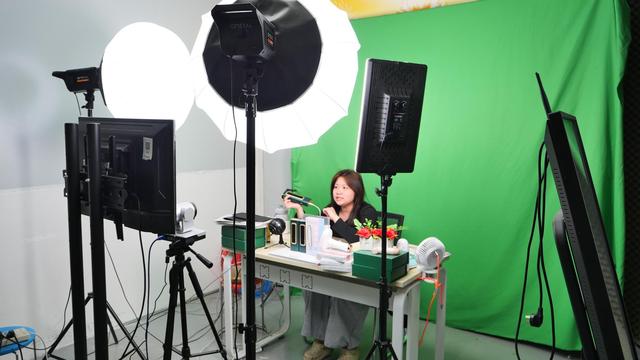
A direct, transparent window into our manufacturing workshop, engineering labs, and quality inspection departments.