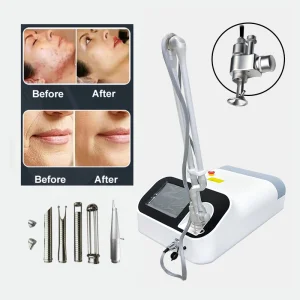
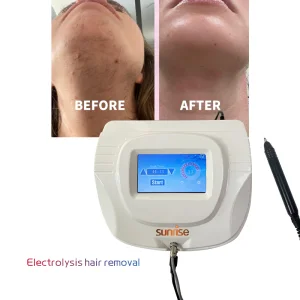
Featured Treatment & Diagnostics Portfolio
Explore our flagship energy-based aesthetics systems, engineered by Xtrim Beauty to deliver calibrated, skin-type-optimized treatments worldwide.
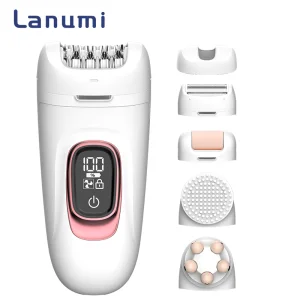
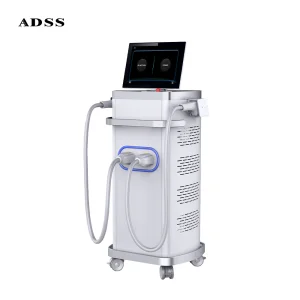
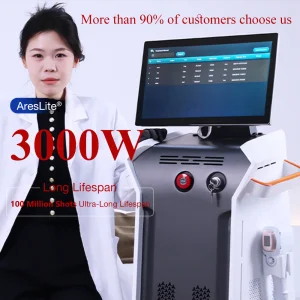
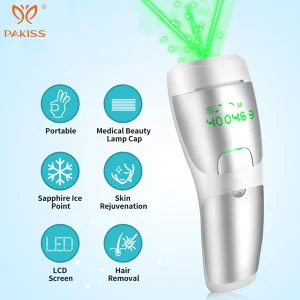
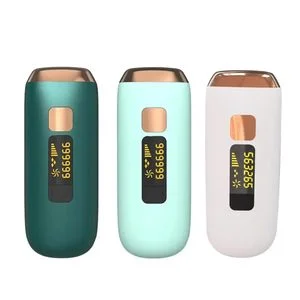
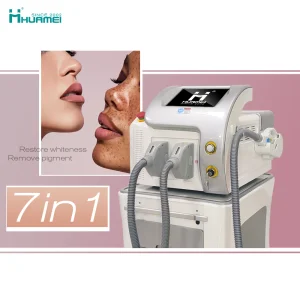

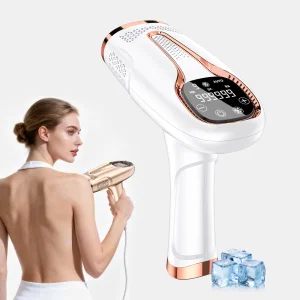
The Critical Intersection of Skin Diagnosis & Treatment
In modern clinical aesthetics, diagnosis dictates the precision of the therapeutic response. The market positioning of portable skin analyzers has undergone a paradigm shift, transitioning from simple sales-consultation tools to high-precision diagnostic assets that direct clinical energy-based therapies. Shenzhen Xtrim Beauty Co., Ltd., a recognized pioneer in Chinese optoelectronic beauty systems, operates at the center of this integration.
Whether utilizing our professional salon-grade IPL platforms, high-energy diode lasers, or advanced home-use units, accurate skin-tone classification and structural health indices are critical. A portable skin analyzer acts as the diagnostic gateway, quantifying parameters like sebum levels, pore size, pigmentation depth, and elasticity. By establishing baseline values, practitioners can safely calibrate energy levels on equipment like the ADSS Vertical IPL or the PAKISS Sapphire Ice IPL, mitigating risks while maximizing clinical efficacy.
Core Technologies of Portable Skin Analyzers
Discover the optical and algorithmic frameworks driving contemporary skin diagnostic systems.
Multi-Spectral Optical Arrays
Modern skin analyzers leverage RGB, Cross-Polarized, Parallel-Polarized, and UV light paths. Under Cross-Polarized light, surface reflections are cancelled, exposing subcutaneous vascular conditions and deep melanin. Parallel-polarized light highlights the skin's micro-relief, allowing for the mapping of wrinkles and skin texture depth.
AI Deep-Learning Diagnosis
Cloud-connected classification systems run facial capture data against vast skin databases. Using convolutional neural networks (CNNs), these analyzers identify acne patterns, classify skin tones along the Fitzpatrick scale, and suggest optimal wavelengths for laser epilators or IPL treatment sessions.
Moisture & Elasticity Sensors
By pairing optical analysis with bioelectrical impedance analysis (BIA) probes, portable diagnostic pens deliver real-time metrics of hydration levels in the stratum corneum, enabling targeted, data-backed cosmetic recommendations.
Global Commercial & Industrial Applications
The application spectrum for portable skin analysis platforms spans multiple business vectors, from high-throughput medspas to digital cosmetics counters and B2C smart-living brands.
1. Medical Spas & Aesthetic Practices
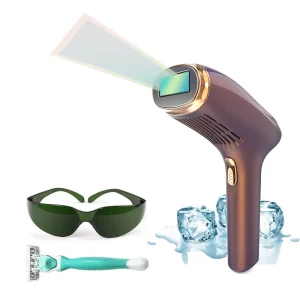
In clinical spaces, diagnostic devices are used to capture baseline metrics before initiating light therapies. For example, before utilizing high-intensity energy platforms like the 2026 Best Ice Cool Diode Laser, practitioners employ handheld skin analyzers to quantify target chromophores. This diagnostic step helps define safe energy thresholds, improving treatment outcomes while protecting client safety.
2. Cosmetics Retail and Brand Counter Integration
In global retail, customer conversion relies on objective diagnostics over subjective consultation. Portable skin analyzers configured with OEM software allow beauty advisors to run quick diagnostic tests at the counter. The custom app compiles metrics on sebum, pore condition, and moisture, matching results to specific formulations in the brand's product lines.
3. Intelligent Personal Care Platforms
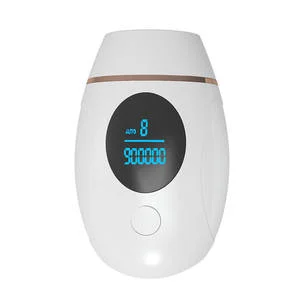
Modern consumers expect clinical-grade feedback at home. The integration of compact skin diagnostics with personal beauty tools has created a new category of intelligent skincare. By evaluating skin condition on a daily basis, users can adjust their home beauty routines and safely operate devices like the PAKISS Professional Sapphire Ice IPL Hair Removal Device according to their current skin tone.
Step 1: Calibration & Scan
Multispectral LEDs scan targeted regions of the face to extract epidermis and dermis structural data.
Step 2: Processing & Scoring
On-board firmware or cloud systems parse the images, measuring metrics like sebum levels, UV damage, and vascular inflammation.
Step 3: Protocol Formulation
The system generates localized recommendations and selects calibrated treatment levels for energy-based devices.
Supply Chain Resiliency & Manufacturing Excellence
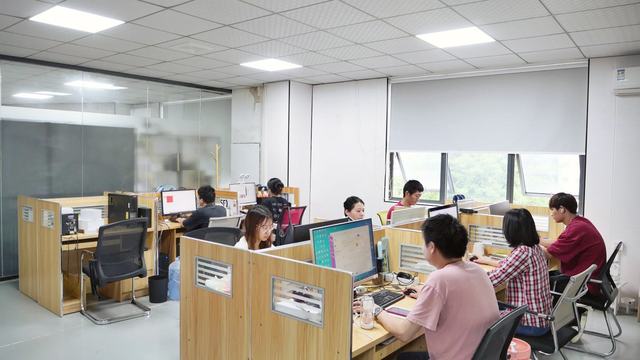
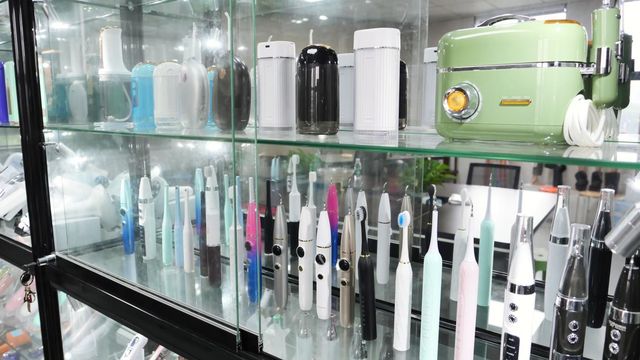
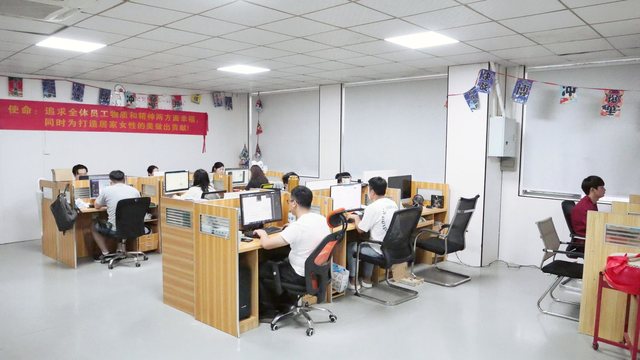
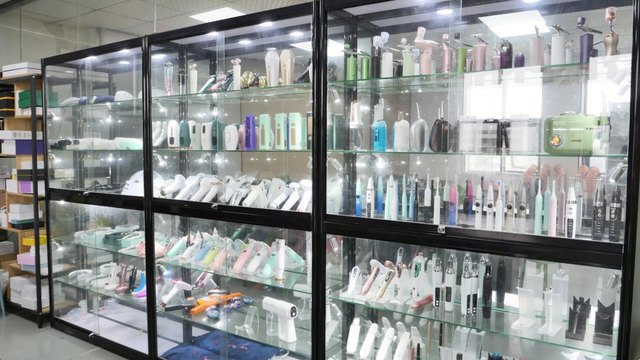
As a leading hub for optoelectronic design and manufacturing, Shenzhen offers a robust ecosystem for global product sourcing. Shenzhen Xtrim Beauty Co., Ltd. leverages this infrastructure to deliver reliable, high-performing beauty equipment worldwide.
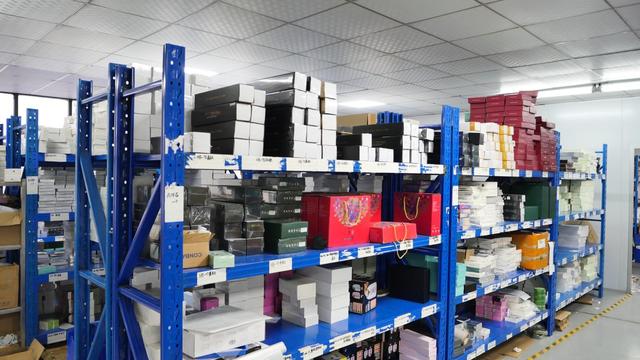
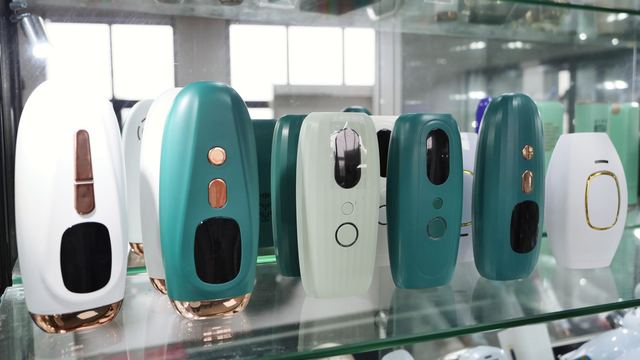
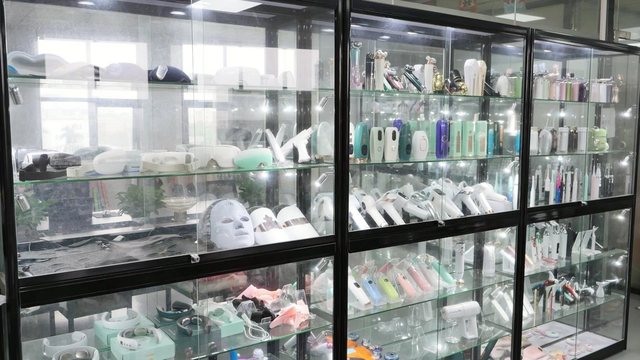
Our manufacturing facility features advanced production lines and strict quality control protocols. Every device undergoes comprehensive testing—including optical calibration, output verification, durability testing, and electrical safety checks—to ensure compliance with international regulatory standards like CE, FCC, and RoHS.
By sourcing raw materials and optoelectronic sensors locally in Shenzhen, we minimize production lead times and accelerate prototype iterations. This localized supply chain model allows us to offer flexible, end-to-end B2B services, including custom optical design, enclosure molding, and custom brand packaging.
Inside Our Modern Shenzhen Manufacturing Facility



Technology Roadmap & Future Outlook
The skin diagnostics sector is evolving rapidly, driven by advancements in optical science, edge computing, and materials engineering. We track several primary tech trends in our R&D roadmap:
- Hyperspectral Spatial Diagnostics: Moving beyond simple RGB/UV profiles to capture narrow-band spectra, mapping deeper blood vessels and identifying early structural changes.
- Integration of High-Speed Edge AI: Moving image processing from cloud systems directly to local hardware, enabling fast diagnostic feedback without needing a constant internet connection.
- Adaptive Closed-Loop Treatment: Building direct connections between diagnostics and treatment. Skin analyzers communicate directly with systems like the ADSS Vertical OPT E Light IPL or laser devices, auto-calibrating parameters based on active skin readings.
- Flexible 3D Surface Topography: Developing flexible sensors and 3D camera systems to accurately map complex facial structures, improving tracking of skin changes over time.
B2B Compliance, Security, & Local Support
Providing hardware to global markets requires meeting strict safety, regulatory, and data privacy standards.
Regulatory Compliance: Our factory floor maintains ISO 13485 certification, and our products carry CE, RoHS, and FCC marks to simplify customs clearance and support local compliance pathways.
Data Privacy & Security: Because modern skin analyzers utilize cloud processing, our B2B software architectures are designed to comply with local privacy frameworks, including GDPR in Europe and HIPAA in the United States, utilizing encrypted APIs and secure cloud hosting.
OEM/ODM Support: We support B2B clients with comprehensive integration services, including custom SDKs, firmware localization, white-labeled apps, and product training resources.
Frequently Asked Questions (FAQ)
Answers to common technical, manufacturing, and business questions about portable skin analysis systems.
Advanced Aesthetics Portfolio
Professional and home-use optoelectronic systems designed to work alongside advanced diagnostic tools.